Nature vs. Nurture: What Dog Breeds Can and Can’t Predict
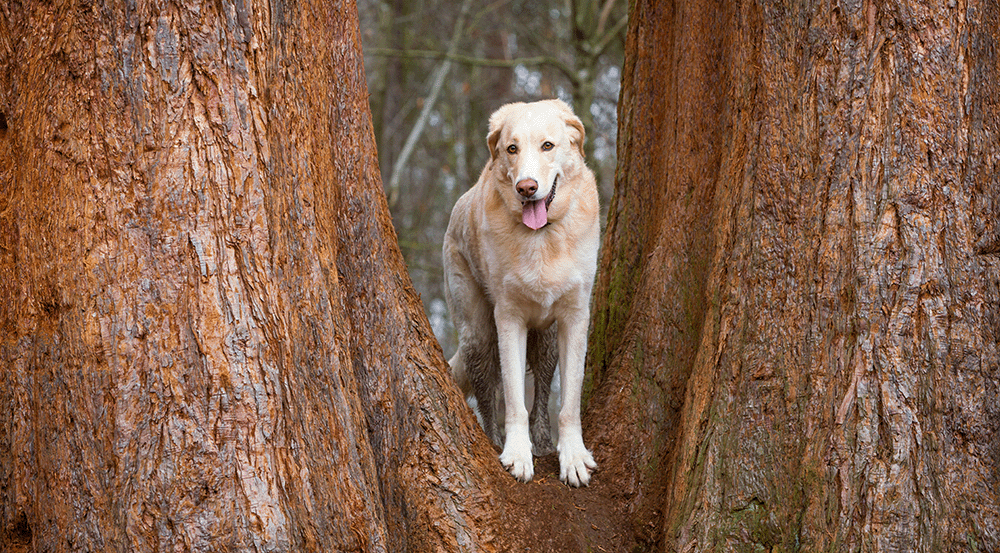
A Bird Dog seen in the wild. photo: AdobeStock
Trainers and behavior consultants, like me, are often asked what our favorite dog breeds are. And while we may prefer some breeds over others, this is still a tough question because individual dogs frequently have more differences than you’d expect from their breed profiles.
For instance, Akitas have a reputation for independence and intolerance, but we’ve known some who are friendly, sweet, and accepting. German Shepherds are famous for guarding their territory, but one of our own GSD’s would have happily invited a burglar in and shown him where the valuables were (of course, our dog’s idea of a valuable item - steak! - might have been rather different than the burglar’s).
Still, it’s a good idea to research breeds when you’re looking for a dog even if you plan on getting a mix from a shelter or rescue group. And it’s probably wise to assume that a dog of a particular breed will show at least some characteristics of that breed rather than the exception.
To Herd or Not to Herd
For hundreds of years, humans bred dogs to perform specific tasks. Farmers needed canine herders to do the work of several people, keeping sheep or cows together in a group and moving them from place to place. As a result, many of today’s herding dogs will still try to herd pretty much anything, including chickens, cows, or your kids.
Some herding dogs use their teeth to help move other animals or people, nipping at their heels or whatever body part is in reach. Obviously, this can hurt so these dogs will need help curtailing their instincts. This can be done, but the longer you wait to start, the more difficult it is.
Dogs bred to guard flocks, like Great Pyrenees or Anatolian Shepherds, tend to be highly territorial and are apt to bark quite a bit, which can be useful to know in advance. They are fluffy and adorable as puppies, but they grow up to be extremely large and sometimes intractable, since they generally believe they know best. They must be exposed to a range of people and environments as youngsters or they may see anyone outside their circle of friends as enemies. Again, early exposure and training are key.
Protection breeds, such as German Shepherds, Rottweilers, and Doberman Pinschers, can be suspicious, and they do tend to guard their loved ones. While these dogs may have scary reputations, their temperaments depend on numerous factors, including genetics, social exposure, and training style.
Terriers, bred to kill varmints, are generally on the small side, with quick tempers and even quicker reflexes. Any movement may spark their prey drive, so fast moving kids can sometimes draw their attention with unfortunate results. Meanwhile, Staffordshire and American Pit Bull Terriers actually fall a bit outside the Terrier group as they were originally bred to fight. Modern breeding has helped soften these tendencies, but we may still see some genetically influenced behavior towards aggression in these dogs.
Hounds, of course, were and still are bred to hunt. Some, like Beagles, are definitely cute but very, very vocal (another trait to be aware of before you commit). Others, like Whippets, can run like the wind, but they are otherwise fairly calm and relaxed.
Breeds Don’t Tell the Whole Story
It’s easy to be drawn into some common beliefs about breeds and behavior. For instance, if your dog tends to control or herd children or other dogs, you might figure that she has some herding dog in her, perhaps Border Collie, Australian Shepherd, or Heeler. But while herding dogs do have a predilection to try to control the behavior of others, so do many non-herding dogs.
Similarly, while terriers were bred to kill small varmints, many live happily with guinea pigs and pet rats. Dogs are individuals and often may not show the traditional characteristics of their breed. Much depends on their individual parentage and their upbringing.
Many people who get a mixed breed dog from a rescue organization or shelter may try to identify their contributing breeds by observing their behavior, which occasionally works. Others have their dog’s DNA tested, only to find that the reported mix of ancestors might not do much to predict their pup’s actual behavior. ( I had one client whose dog’s DNA test found a mix of German Shepherd, Labrador, Great Dane… and Maltese! This inevitably led to speculation about how a tiny Maltese managed to mate with one of those giants.)
Of course, one of the most popular breeds these days isn’t really a breed at all. Doodles are mixes: other breeds mated with Poodles in an effort to produce non-shedding, hypoallergenic dogs. The first Doodles were Poodles mixed with Labrador Retrievers or Golden Retrievers, both well-loved breeds, but with a tendency to shed a lot. Meanwhile, Poodles were a bit less popular, but they didn't shed at all. Mix the two together and voila! - a really nice dog that doesn’t shed. This is a great idea in theory, but of course breeders also need to pay attention to the temperaments and overall health of any breeding pair, not just the propensity to keep hair attached to the body. Unfortunately, not all do.
Then, too, the temperaments of the parent dogs don’t always blend as well as anticipated. As a result, many Doodles are cute but hyperactive. And we now have Bernadoodles (Bernese Mountain Dogs and Poodles), Schnoodles (Schnauzers and Poodles), Cockapoos (Cocker Spaniels and Poodles), and many more combinations. There seems to be no end to the Doodle craze.
It’s good to research the breed of a dog you’re considering, but recognize that breed traits may only offer a general picture, not a template you can bank on. As far as behavior goes, a dog’s temperament will generally reflect their parents’ temperaments – good, bad, relaxed, or hyperactive - but those can vary quite a bit even within a particular breed.
Bottom line: dogs are individuals whose personalities are as varied as any human’s might be. So do your homework, look for the best fit you can, and then love and train the dog in front of you - whoever they turn out to be.