The Chemistry of Connection: How Enrichment Activities Deepen Your Bond with Your Dog
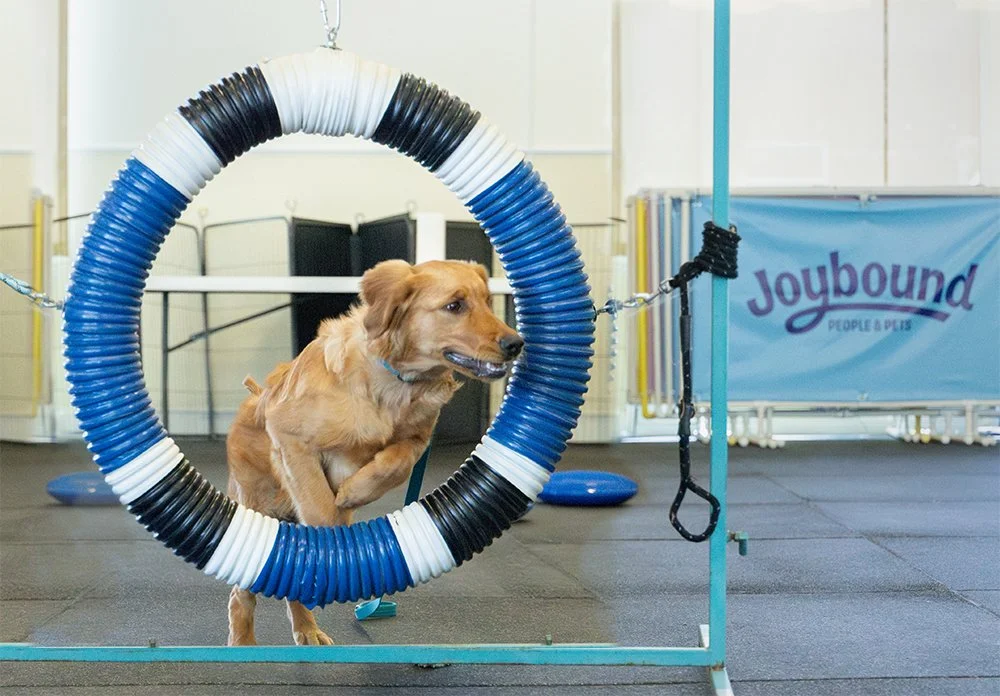
Enrichment activities should give dogs the opportunity to express natural behaviors like sniffing (and jumping through hoops). photo: Joybound
In a world that often celebrates the “busy dog” - long walks, endless games of fetch, high-energy play - it’s easy to overlook one of the most powerful ways to support your dog’s well-being: mental enrichment.
That’s because building a strong, trusting relationship with your dog isn’t just about keeping them physically active. It’s about understanding who they are, how they communicate, and what they truly need to feel safe, fulfilled, and connected to you. By slowing down, being present, and engaging your dog’s natural instincts, you can transform everyday moments into a meaningful connection.
At their core, enrichment activities should give dogs the opportunity to express natural behaviors like sniffing, chewing, digging, and problem solving. When we lean into these instincts instead of trying to suppress them, we not only help prevent unwanted behaviors at home but also deepen trust and communication with our dogs.
The Missing Piece: Mental Stimulation
Dogs need both physical exercise and mental stimulation, but too often the latter is missing. Without adequate mental stimulation, even the most well-exercised dog may struggle to settle, becoming restless or destructive. Chewed furniture, shredded laundry, or dug-up gardens aren’t signs of a “bad dog,” but rather a dog looking for an outlet.
Mental engagement, on the other hand, helps dogs decompress. Activities that encourage sniffing, licking, and chewing trigger the release of calming neurochemicals, helping dogs relax and regulate their energy.
The good news: enrichment doesn’t require expensive gear or elaborate setups. Some of the most effective options are already in your home. Mealtime, for example, is an easy opportunity to engage your dog’s brain. Instead of a standard bowl, consider turning feeding into a game using one or more of the following approaches:
Stuff a Kong or puzzle toy with kibble or treats.
Scatter food in a snuffle mat or around the yard for a “find it” game.
Use cardboard boxes or paper bags to create safe, supervised “foraging” opportunities.
Freeze kibble or treats into ice cubes for a refreshing challenge.
All these activities tap into our dogs’ natural instincts as hunters and scavengers, giving them a job to do and a sense of accomplishment. That’s important stuff for anyone’s well-being, including our pups.
Equally powerful is simply letting your dog use their nose. “Sniffy walks,” where your dog is allowed to explore and choose the path, are more than leisurely outings; they’re rich sensory experiences that can be far more satisfying than a fast-paced walk.
Enrichment Throughout a Dog’s Life
Not all dogs have the same needs, but enrichment can play a key role across every life stage. For puppies, enrichment helps build confidence. Introducing new objects, environments, and experiences in a positive, low-pressure way supports healthy socialization. Bringing a favorite enrichment item, like a filled Kong, to new places, including vet visits, can help create positive associations early on.
For senior dogs, enrichment becomes even more essential. As physical activity may decrease, mental engagement keeps their minds active and supports emotional well-being.
And for high-energy dogs? More exercise and physical stimulation is not always the answer. In fact, constantly escalating activity can make it harder for these dogs to settle. The key is balance, pairing high-energy outlets like agility training with calming activities that help them come back down.
Learning to Listen
Perhaps the most important - and often overlooked - part of building trust with our dogs is learning how to truly listen to them. Dogs are always communicating, but their signals aren’t always obvious. While many people recognize overt signs of discomfort like growling or snapping, these behaviors are often the last step in a long chain of communication.
Before getting to the growly-snappy phase, most dogs will show subtle cues: turning away, licking their lips, yawning, holding their body tense, or avoiding interaction. These are polite requests for space, and when we miss or ignore them, we risk eroding trust. Respecting these signals is simple but powerful. If you’re unsure whether your dog wants interaction, pause and give them a choice. Step back and see if they come to you. Trust grows when dogs feel heard.
In fact, our dogs are communicating with us all the time, even in the quietest moments. When we slow down enough to notice and respond to those small signals, we show them that their voice matters. That’s where real trust begins.
Your Dog May Be Telling You Something
Sometimes changes in behavior aren’t about boredom or forgetting previous training; they may be a sign of discomfort or pain. Dogs can’t tell us when something hurts, but they often show it through behavior: avoiding touch, resisting familiar cues, changing sleep patterns, or showing increased irritability. Recognizing these shifts and seeking veterinary guidance when needed is an important part of caring for the whole dog.
At its heart, enrichment isn’t just about keeping dogs busy; it’s about meeting our dogs’ needs and building a relationship rooted in understanding, respect, and trust. By giving dogs appropriate outlets for their instincts, tuning into their communication, and honoring their needs, we create an environment where they can truly thrive. And in that space, something powerful happens. Dogs don’t just behave better; they feel better. They relax, engage, and connect more deeply with the people who are listening.
At the end of the day, enrichment doesn’t mean doing more with our dogs; it means doing things that matter to them. When we meet their instinctual needs in this way, we’re building trust that’s intuitive and lasting.
Chelsea Blackburn contributed to this article.