Prepping Your Dog for the Vet: Why Calmer Visits Support Everyone’s Well-Being
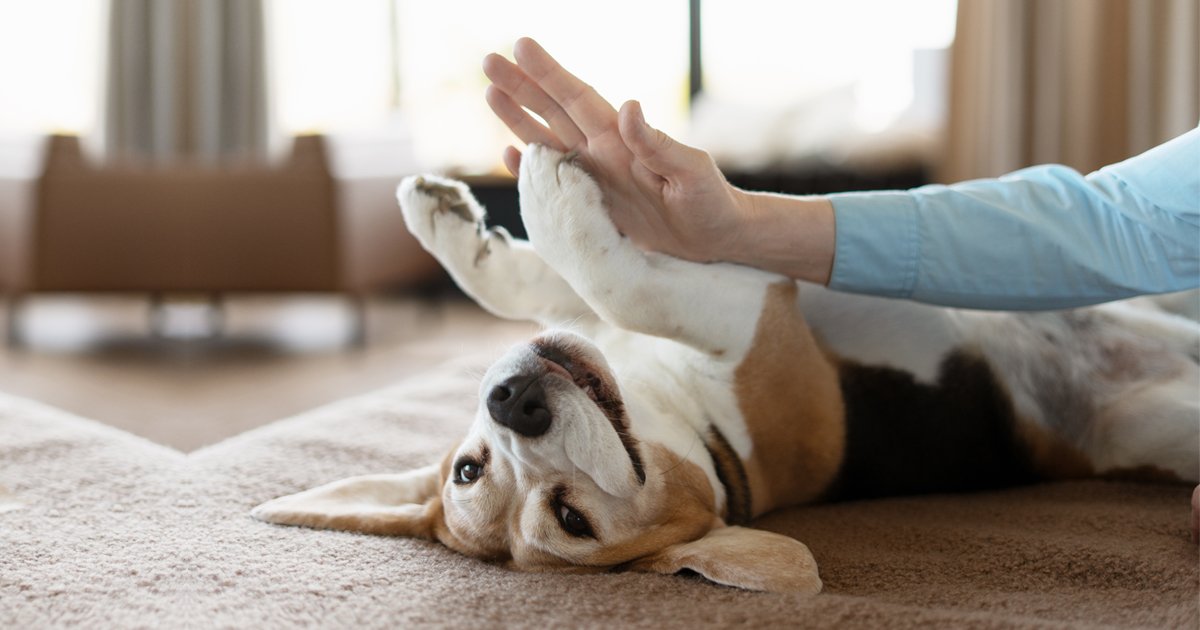
Teaching our dogs how participate cooperatively during vet visits helps set everyone up for your dog’s lifetime success. photo: AdobeStock
A vet visit is rarely just about the 15 minutes a dog spends on the exam table. It’s also a shared moment between the human client, the canine patient, and the veterinary team. And it’s one that can either build trust or erode it.
As we approach World Mental Health Day on October 10, it’s worth remembering that a well-prepared vet visit is not only kinder to the dog in the carrier or on the leash; it’s also part of what protects the well-being of the people delivering the care.
Start Preparation at Home
Veterinary behavior experts agree that a positive visit begins well before the exam room door opens. Clients can help their dogs feel safer by practicing short car rides, letting a puppy or nervous adult dog explore a carrier or crate at home, and pairing travel with something the dog already enjoys, such as a favorite treat or toy. Some practices even offer brief "happy visits" where a dog comes in simply to be greeted, weighed, and given a treat with no procedure attached so that the clinic itself stops being associated only with something stressful.
At home, owners can also rehearse the kinds of handling a dog will experience at the clinic: gently touching paws, ears, and mouth, and rewarding calm behavior throughout. This kind of "cooperative care" gives a dog a sense of choice and predictability, both of which lower stress hormones, making the physical exam easier and allowing it to be more thorough once the real appointment begins.
The Client Is Part of the Care Team
It is tempting to think of visit preparation purely in terms of the dog's comfort, but a calmer dog also means a calmer, more confident human client. Veterinary teams increasingly recognize that owners carry their own anxiety into appointments, worried about cost, bad news, or how their dog will behave. When that anxiety goes unacknowledged, trust in the veterinary team can quietly erode.
When a technician or veterinarian takes the time to explain what will happen next, sets realistic expectations for wait times, and invites the owner to help hold or comfort their dog, clients feel like partners in their pet’s care rather than bystanders. That sense of partnership strengthens the entire veterinarian/client/patient relationship, and it tends to bring clients back for the preventive visits that keep dogs healthiest over time.
Why This Matters for the Vet Team, Not Just the Client
A fearful, thrashing patient and a frazzled, guilt-ridden owner are hard on a veterinary team's own well-being. Every appointment that runs long because of a stressed-out dog, every difficult conversation with an anxious client, and every case that ends in a bite risk or an injury adds to the emotional load that veterinary professionals already carry.
That load is not small: veterinary professionals experience psychological distress and suicide at rates several times higher than the general population, a reality that has made mental health a defining issue for the profession over the past decade. Reducing preventable stress in the exam room - one prepared patient and one informed client at a time - is a small but meaningful way to protect the humans on the other side of the leash.
This is one reason why World Mental Health Day resonates so strongly with those who work in veterinary medicine. Organizations such as Not One More Vet have used the day, alongside September's National Suicide Prevention Awareness Month, to remind veterinary professionals that supporting mental wellness is a year-round effort, not a single calendar date.
A calmer waiting room and a more cooperative patient will not solve compassion fatigue on their own. But they are part of a broader culture shift toward practices and clients who treat emotional well-being as inseparable from physical health.
Practical Steps Before Your Next Appointment
How can you help? Here are a few practical steps to undertake before your next vet appointment.
Practice short, low-stress car rides and reward calm behavior in the carrier or crate.
Handle paws, ears, and mouth gently at home so the exam feels familiar rather than invasive.
Bring a favorite treat, toy, or blanket to the appointment.
Ask the front desk or technician what to expect, and share any concerns about your dog's anxiety before the appointment begins.
Arrive a few minutes early so your dog has time to settle rather than being rushed from the parking lot to the exam table.
A little preparation goes a long way. It gives dogs a better, less frightening experience; gives clients confidence in their veterinary team; and gives that team one less stressful appointment in an otherwise demanding day. In a profession working hard to protect its own mental health, that kind of shared calm is worth cultivating.