Moving On, Looking Back
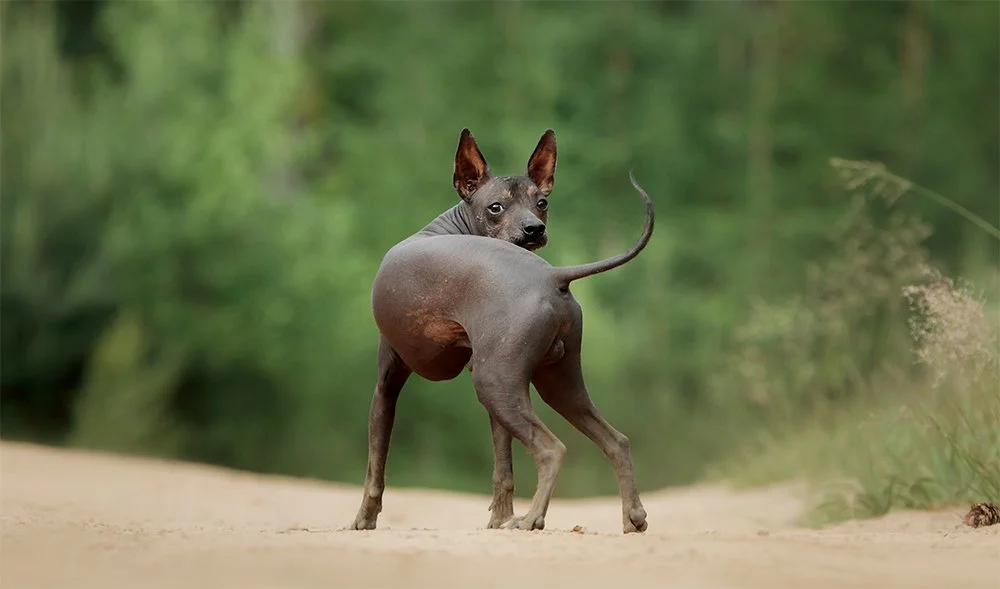
Animal Commissioner Jane Tobin is heading towards new trails. We’ll miss you, Jane! photo: AdobeStock
Call me sentimental, but I love the line in "Closing Time" by Semisonic: Every new beginning comes from some other beginning's end.
Sadly, April will be my last meeting as a member of the city’s Animal Commission and my last column for Bay Woof. It's a new beginning for me at the end of some other beginning, which started 10 years ago when I first went from applicant to commissioner.
As I prepare to sign off, I’ve had time to consider some of the processes, issues, and outcomes that have been important during that time - to me personally and to the wider animal-loving community. Here’s a quick look back at a few of those.
Getting Started
Finding one's footing on any commission depends on personal experience and temperament. I prefer the listen-and-learn approach, so I came out of the gate slowly, hoping the other horses would lead and that my awkward gait would remain unnoticed. At the time, I was in graduate school at the University of San Francisco. As it turned out, the same skills my graduate work depended on - building strategic plans, examining effective working relationships, public speaking, creating work plans - helped build the confidence and tools needed to help formulate some processes we still use today in our commission work. I also learned valuable lessons from our nearby counterpart, the City of Berkeley Animal Care Commission, which helped inform my own approach to animal issues.
A Case in Point
I would love to say that every issue the commission addressed resulted in a purely positive outcome, advancing animal welfare and appeasing everyone, even naysayers. Of course, that’s magical thinking. Not all ideas, even ones with the best intentions, go as planned.
A case in point was my work on a 2021 issue that seemed solvable: temporary care for the pets of unhoused people seeking treatment. I began by applying our work plan framework: define the issue, explain the effect, research the issue, report findings, and offer recommendations. Here’s how that went.
(1) The Issue. Unhoused guardians seeking treatment (i.e., medical, substance use disorder) had no reliable network of support to care for companion animals temporarily. Might companion animals be allowed to accompany their unhoused guardian to treatment facilities?
(2) The Effect. An unhoused person may not get treatment if temporary housing for a companion animal is unavailable.
(3) The Research. I identified stakeholders, researched relevant legislation, and gathered feedback. Each person I spoke with led me to another; if I named them all and included their comments and resources, I’d easily quadruple Bay Woof’s 800-word limit.
(4) The Findings. I reported my findings over several meetings before coming to this conclusion: it just wasn’t possible. The facilities were too large; other clients found animals a trigger for trauma, allergies, or hygiene concerns; caring for a pet could shift the focus from personal care required for treatment to animal care; and pet behavior or how a person “parents” that pet could cause conflict with others.
(5) Recommendations or Conclusions. Despite my findings, it wasn’t all bad news. My research uncovered some solutions already in place. For example, San Francisco Animal Care and Control offers temporary housing in its custody animals program. Other resourceful nonprofits created foster networks to ensure pets had housing while their guardians were in treatment.
The upshot? Even though we couldn’t entirely solve the problem, we were able to raise awareness of the issue and make a positive difference for at least some people and their companion animals. In my book, that’s definitely work worth doing.
Celebrate the Wins!
While the above case wasn’t an example of pure success, sometimes all our work did pay off in a big way. That’s what happened in March 2018 when San Francisco made history, unanimously approving the first citywide ban on the sale of new fur products. As is often the case, other cities soon followed, creating a positive ripple effect well beyond our city limits. A win worth celebrating, for sure.
What’s Next?
The Animal Commission will continue its work on many important animal welfare issues: live animal markets, zoo concerns, coyotes, zoonotic disease monitoring, glue trap bans, and more. My fellow commissioners are a talented, passionate group and they’re fortunate to hear from many community members who support, contribute, or oppose ideas. So please keep those communications coming! The commissioners are always listening and learning.
Meanwhile, it’s closing time for me as I head off to my new beginning. Are you ready for yours? If you want to activate your inner activist, consider applying to serve on the Animal Commission.
I know of a seat that will be vacant soon.
* * * * * * * * * * *
The next meeting of the Commission of Animal Control and Welfare will be held at 5:30 p.m., Thursday, April 13, in Room 408 at City Hall (1 Dr. Carlton B. Goodlett Place, San Francisco, CA 94102). Information about remote access to meetings is available at sf.gov/animalcommission. Meeting agendas are published 72 hours in advance.
The views and opinions expressed in this column are those of Commissioner Tobin and do not necessarily reflect the official policies or positions of the Commission of Animal Control and Welfare.