Ouch! Healing and Preventing Canine Sports Injuries
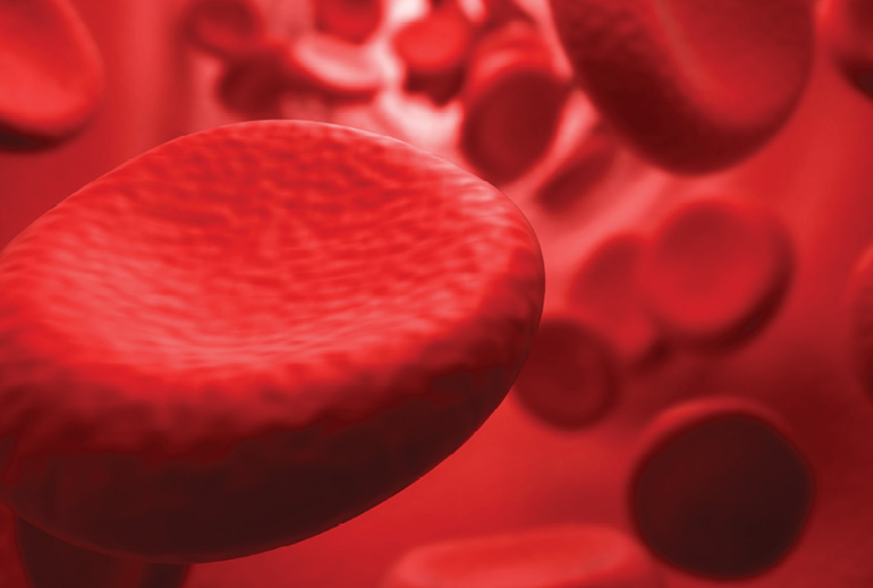
Orthobiologics offer a cutting-edge approach to expediting recovery from injuries in canine athletes. photo: AAHA.com
Like any athletes, dogs who compete in sporting events occasionally suffer injuries. And just as they do in people, orthobiologics offer a cutting-edge and very promising approach to expediting recovery from injuries in canine athletes.
These therapies, including Platelet-Rich Plasma (PRP) and stem cell treatments, use the dog’s own biological tissues to promote healing in muscles, tendons, ligaments, and joints. Such treatments are invaluable for reducing inflammation, accelerating and improving tissue healing, and restoring overall function. Combining regenerative medicine with physical rehabilitation therapy can improve healing and support a faster return to full sports activities.
Common Orthobiologics and Their Applications
There are two primary orthobiologic treatments currently available for use in dogs. Platelet-Rich Plasma (PRP) therapy uses concentrated platelets, usually harvested from your dog's blood and spun down to concentrate them. These are then injected into the affected joint or tissue to promote healing. PRP is commonly used to manage conditions such as canine osteoarthritis, especially in the elbow and knee. It’s now also being used to proactively address various muscle, tendon, and ligament injuries, accelerating and improving healing for sporting and very active dogs.
Another option is stem cell therapy, which uses stem cells derived from your dog's abdominal fat tissue or bone marrow. This has emerged as an effective treatment option for soft tissue injuries, osteoarthritis, and spinal conditions, harnessing the body’s inherent regenerative capabilities. When stem cells are injected directly into the damaged tissue area, they promote healing by differentiating into muscle, tendon, or ligament cells, releasing growth factors to stimulate tissue repair, reducing inflammation, and reducing scar tissue formation. Stem cell treatment is often combined with PRP for the most effective results.
Other benefits of orthobiologics include pain reduction, tissue preservation, enhanced healing, and slowed progression of osteoarthritis. PRP therapy has also shown considerable success in alleviating chronic lameness and discomfort in dogs suffering from osteoarthritis.
While the effectiveness of these therapies may vary based on factors such as platelet concentration and preparation methods, they are increasingly recognized as essential components of a well-rounded approach to canine sports medicine. By integrating orthobiologics with formal rehabilitation efforts, nutritional supplements, and effective weight management, optimal recovery and restored function in canine athletes can be achieved.
Common Rear Leg Injuries in Sporting Dogs
Iliopsoas muscle strain injury, which affects the main hip flexor muscles, typically occurs from overextension of the hips during sudden, abrupt movements, such as when a dog slips or changes direction sharply. Owners may notice signs such as hind-limb lameness, characterized by hesitancy to extend the hip to jump into the car or onto the couch, as well as holding the leg off the ground and close to the body. The lameness observed with this type of injury is often mistaken for that of injuries commonly seen in the knee. Recovery from an iliopsoas injury depends upon how severe it is. Generally, it requires 4 to 12 weeks of rest and restricted physical activity, combined with a custom rehabilitation program to strengthen the muscle as it heals, reduce scar tissue and contracture, and gradually and safely return to sports activities with a lower risk of reinjury.
Rupture of the cranial cruciate ligament (CCL), a key stabilizer of the knee, is comparable to an anterior cruciate ligament (ACL) tear in people and is one of the leading causes of rear-leg lameness in dogs. The injury can occur suddenly due to forceful movements, or it may develop gradually from wear and tear. In many cases, surgical intervention, such as a Tibial Plateau Leveling Osteotomy (TPLO), is necessary to stabilize the knee joint, allowing a sporting dog to return to full activity and reducing the risk of chronic arthritis.
Common Front Leg Injuries in Sporting Dogs
Shoulder injuries often arise from overuse and repetitive motions that dogs may engage in while playing or training. Conditions such as medial shoulder instability (rotator cuff injury) or biceps and supraspinatus tendinopathies most commonly develop over time. Affected dogs may exhibit symptoms such as persistent stiffness, an observable “head bob” when trotting, and a noticeable reluctance to perform activities like climbing stairs or navigating sharp turns.
Carpal (wrist) injuries are common in sports dogs and ball-retrieving dogs. Injuries within the carpal joint or toes may emerge as a result of hyperextension or over-stretching of the ligaments. In older dogs or those with a history of repeated injuries, degenerative hyperextension and gradual weakening of the ligaments or noticeable changes in carpal joint stability may occur. Instability from sprained or weakened ligaments leads to abnormal joint movement, eventual cartilage damage, and arthritis pain.
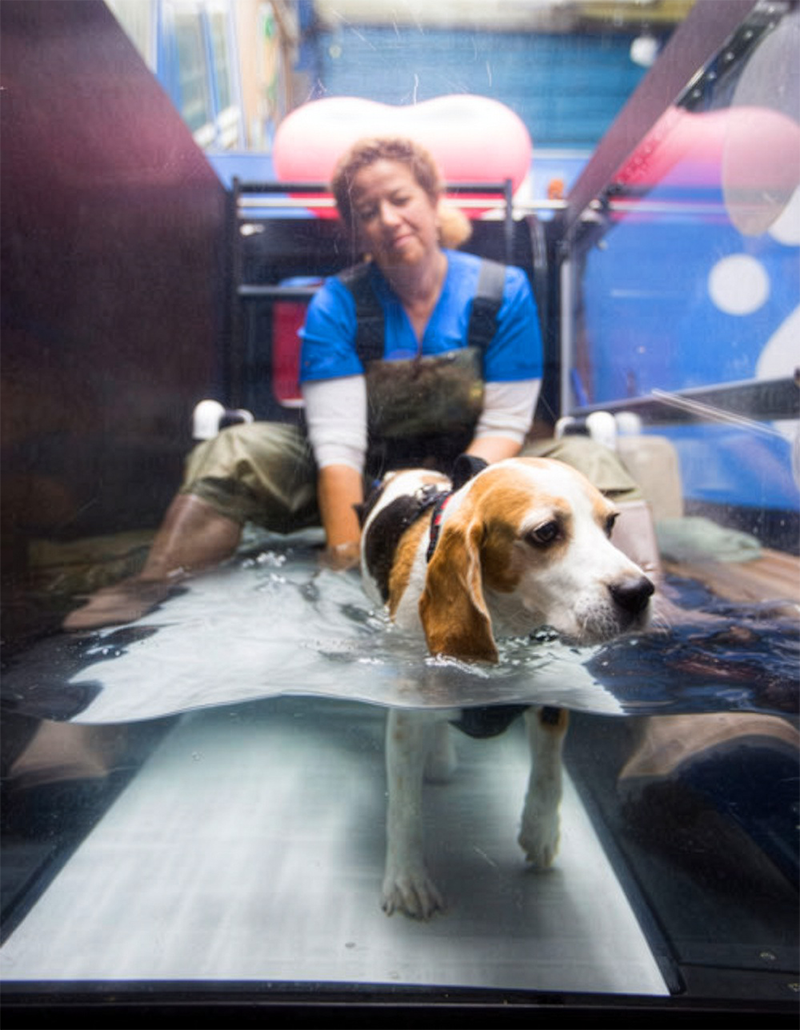
Water treadmill work with a trained practitioner can also offer rejuvenative therapy for canine athletes. photo: A Well Adjusted Pet
Preventing Injuries in the First Place
To minimize the risk of injuries, proactive measures are essential for dogs participating in canine sports, as well as any very active dog. Emphasis on core muscle strengthening and conditioning, consistent warm-up and cool-down routines, and strict weight management are fundamental practices that can help protect an active dog’s health. If an injury is suspected, consult a veterinary rehabilitation specialist for a soft-tissue specific diagnosis as soon as possible. An accurate, specific diagnosis is the first step toward helping your dog recover sooner with a targeted, more effective rehabilitation program tailored to your dog's specific injury.
Initial rest is crucial to help reduce inflammation, but this must be followed by a progressive period of a structured therapeutic exercise program designed for your dog's injury to facilitate a more complete recovery and restore function more quickly, with less risk of repeat or more severe injury when they return to their sport. Physical rehabilitation therapies, such as walking and then running on an underwater treadmill, help to gradually load the injured tissue and strengthen it with less risk of repeat injury. LASER and extracorporeal shockwave therapy also help stimulate tissue healing, and electrostimulation of weakened muscles helps stabilize an unstable joint.
Whether your dog is a full-fledged canine sports competitor or just an active weekend warrior, it’s our responsibility to advocate for their health. That includes consulting a trained veterinary rehabilitation therapist or sports medicine professional for tailored advice and treatment options. By taking informed steps and remaining proactive, we can help our canine athletes and active pups reach their highest potential with vitality and joy.