Is Your Dog Water Safe? Tips for a Happy, Healthy Summer
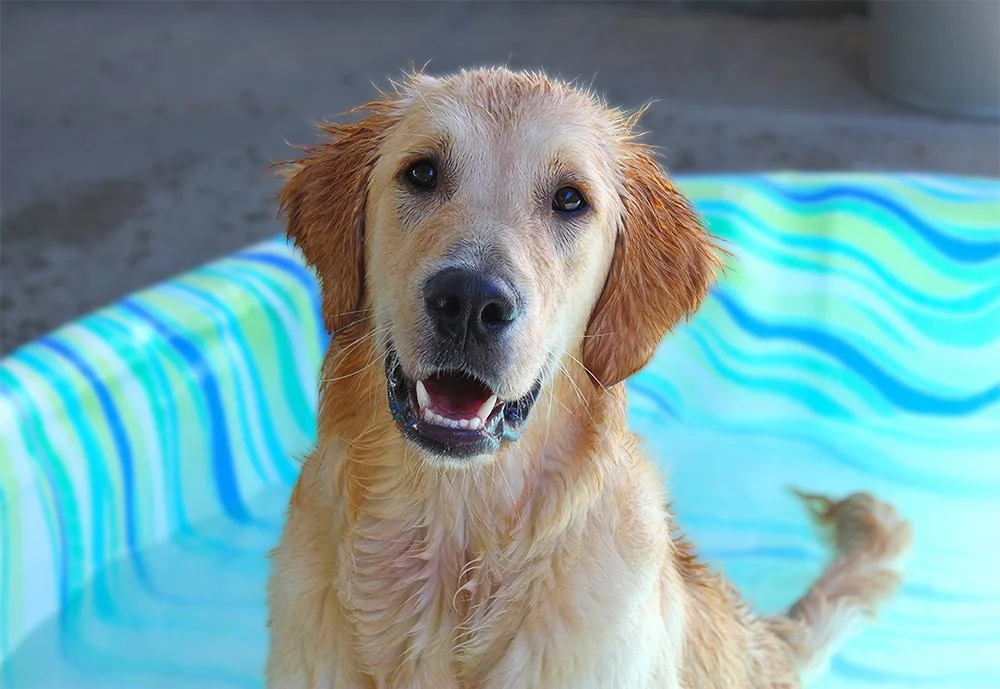
High temperatures can cause some waters to be unsafe for dogs. photo: GDB
For many Bay Area residents, the dog days of summer and our early autumnal warm spell can mean high temperatures. And for many dog guardians, that also means more time spent outdoors with our pups near pools, lakes, rivers, beaches, and backyard sprinklers.
At Guide Dogs for the Blind (GDB) where I work, the health and safety of our dogs is foundational to everything we do. But it’s just as important to anyone who shares their life with a dog they love. So as we enjoy more splash time in these warmer months, it’s crucial to remember that water can present unexpected risks for dogs.
Many dogs are drawn to swimming and playing in the water, but even confident swimmers can become fatigued, disoriented, overheated, or exposed to hidden hazards. A little preparation will help ensure that water activities stay safe and enjoyable for you and your pup.
Here’s a quick list of key precautions:
Always supervise dogs around water.
Bring fresh drinking water and a collapsible bowl.
Use a canine life jacket for boating or unfamiliar water.
Take regular rest breaks.
Dry and air out your dog’s ears after swimming.
Avoid stagnant or algae-covered water.
Teach dogs safe entry and exit points.
Watch for signs of exhaustion or overheating.
Keep puppy outings short and positive.
Common Hazards in Natural Bodies of Water
While many bodies of water may appear safe to the naked eye, an array of dangers can lurk below the surface. Lakes, rivers, creeks, and ponds may contain strong currents, sudden drop-offs, submerged branches, or bacteria that may not be visible from shore. Fast-moving rivers can be especially hazardous for dogs, even in areas that appear calm.
Blue-green algae blooms are extremely dangerous and often appear as a thick, paint-like scum on stagnant water. The algae’s smell can attract dogs, increasing the risk of accidental ingestion. Harmful algal blooms produce toxins that affect the liver and nervous system, becoming life threatening very quickly. Exposure can happen through drinking contaminated water, swimming, or even licking algae from the fur after a dog leaves the water. If you suspect algae exposure, don’t wait - contact a veterinarian immediately.
Be Careful at the Pool
Backyard pools may also pose risks for dogs, especially if they are unfamiliar with the pool’s stairs or exits. Some dogs may jump or fall in and then struggle to find a way out. Remember that not all dogs can easily climb out of a pool, especially when tired. Even if you think your dog can find the pool stairs, supervision is a must.
Another hazard for dogs in pools is the exposure to unsafe pool chemicals. Unfortunately, “pool safe” doesn’t always equal “pet safe.” Concentrated chlorine products and shock tablets are corrosive, and exposure to them can cause burns to a dog’s skin or eyes. Always wait at least 48 hours after adding chlorine products into a pool before letting your dog swim. To further prevent ingestion, discourage your dog from drinking the pool water as excess chlorine can cause a stomach upset.
For overall pool safety, remember this checklist:
Introduce dogs to pools gradually.
Teach them where the steps or exits are located.
Never leave dogs unsupervised around pools.
Use fences, latched gates, or pool covers when the pool is not in use.
Rinse chlorine off fur after swimming.
Seek veterinary care if your dog is exposed to unsafe pool chemicals.
Ocean Breeze, Mind at Ease
Enjoying the ocean and our beautiful beaches can be a breeze for you and your pup if you keep a few basic safety precautions in mind.
Saltwater presents challenges for dogs. Drinking too much seawater may cause vomiting, diarrhea, dehydration, dangerous electrolyte imbalances, or even a lesser-known danger for dogs: water intoxication. This occurs when a dog consumes excessive water in a short period of time and may happen during repeated fetching games or continuous swimming in the ocean. Water intoxication dilutes sodium levels in the body and can quickly become a medical emergency.
Waves, rip currents, hot sand, broken shells, and fishing equipment can also create hazards for dogs. Be on the lookout for these dangers and also pay close attention to any signs of fatigue. Dogs may continue swimming even after they are exhausted, especially in the ocean.
Finally, watch for sand impaction, a life-threatening condition that occurs when a dog ingests too much sand, often accidentally, while playing on the beach. Always provide fresh water to reduce the temptation for your dog to drink from sandy water sources. Symptoms of sand impaction include vomiting, loss of appetite, and restlessness.
What to Do in an Emergency
If your dog experiences distress in or around water, immediately move them to a safe, shaded area, offer small amounts of fresh water, and contact your veterinarian right away.
Your dog may need immediate veterinary aid if you observe any of these symptoms:
Excessive panting
Weakness or lethargy
Vomiting or diarrhea
Trouble walking or standing
Glassy eyes or confusion
Excessive drooling
Pale gums
Difficulty breathing
As the saying goes, an ounce of prevention is worth a pound of cure. With the right awareness, preparation, and supervision, you and your pup will be ready to enjoy the dog days of summer safely and happily.