Who Gets the Dog? How Pet Custody Mediation Is Changing the Way Families Separate
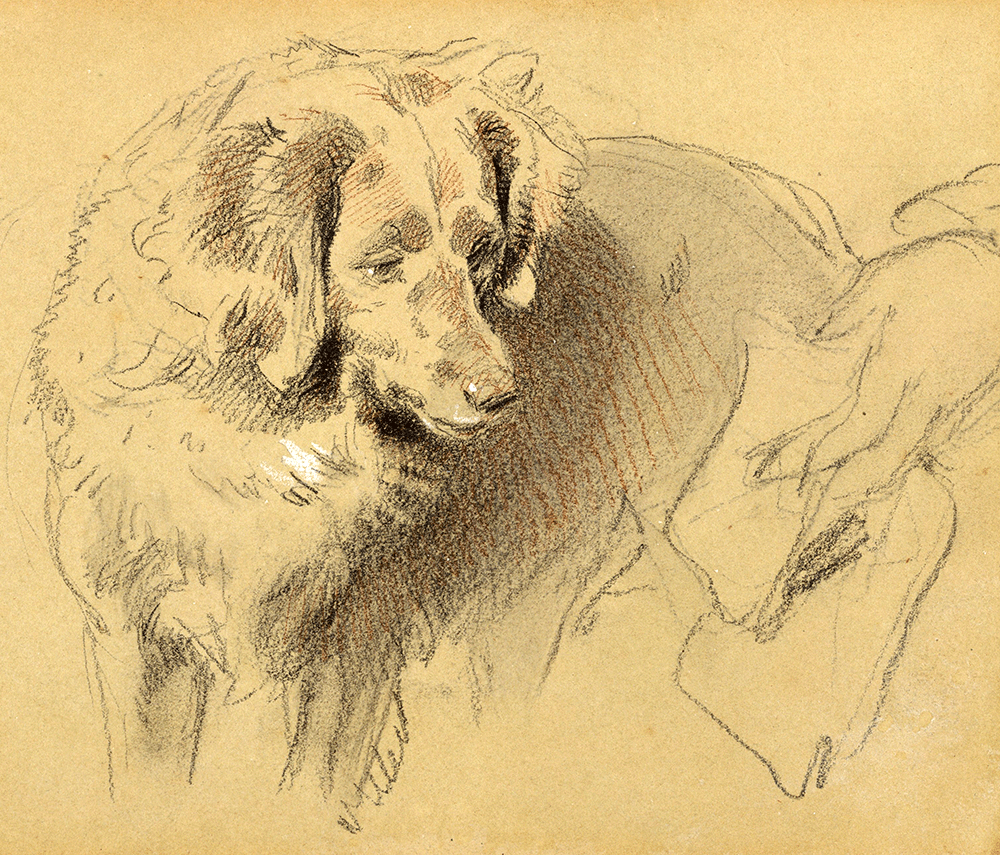
Study of a dog, 1820–73, Sir Edwin Henry Landseer, © The Met
When a relationship ends, few decisions are as emotionally charged as what happens to the family pet. For many couples, their dog or cat isn't just an animal; they're a daily companion, a source of comfort, and in many cases, the closest thing to a child. Yet when separation turns contentious, pet custody disputes can quickly become expensive, exhausting, and deeply painful for everyone involved, including the pet.
For those navigating this painful process, there is a smarter, more compassionate option — one that is still relatively unknown but growing in recognition: pet custody mediation.
What Is Pet Custody Mediation?
Pet custody mediation is a structured, guided process in which a neutral third party helps separating couples reach mutually agreeable decisions about the care of their animal. Unlike litigation, which is adversarial by nature, mediation is collaborative. Both parties sit down — often in just one or two sessions — to build a plan that works for their specific situation.
What sets pet custody mediation apart from general family mediation is the specialized lens it brings, one that combines an understanding of animal behavior, attachment, and emotional well-being with the human dynamics in play.
The Pet's Perspective Matters Most
At the heart of a good pet custody mediation is the simple but often overlooked question: what does this individual animal need?
Pets are not passive objects to be divided up. Dogs in particular are highly social, routine-dependent creatures who form deep attachments to the people and environments they know. Any separation — a move, a disrupted schedule, the sudden absence of a familiar person — can cause real stress and behavioral changes. A mediated agreement takes these needs seriously, building in consistency, continuity, and care for the animal's emotional life in ways that a court simply cannot.
Why Litigation Falls Short
In most of the United States, pets are still classified as personal property under the law, meaning a judge treats a beloved dog with the same legal weight as a piece of furniture. The outcome can feel arbitrary, cold, and completely disconnected from the reality of what that animal means to both parties.
The Bay Area is ahead of the curve here. California law has evolved to recognize that companion animals are not mere property, and Bay Area courts increasingly consider the well-being of the pet in custody decisions. While this is a meaningful step forward, it also means that litigation becomes more complex — and more expensive. Court proceedings are slow and stressful, and once the matter is in a judge's hands, both parties surrender control over the outcome entirely.
Mediation, by contrast, keeps decision-making power exactly where it belongs: with the people who love the animal. Agreements can cover everything from daily care schedules and holiday arrangements to veterinary decisions and long-term planning — all tailored to the specific needs of that individual pet and family.
What the Process Looks Like
Pet custody mediation is flexible and accessible. After an initial consultation, both parties meet with the mediator — together or separately, depending on the situation — to work through the key questions: Where will the pet primarily live? How will visitation work? Who covers which costs? What happens in a medical emergency?
The result is a written Memorandum of Understanding: a clear, personalized agreement that both parties have shaped and agreed to, rather than one imposed upon them. Many families complete the process in a single session.
A Kinder Path Forward
Separation is hard. But it doesn't have to be a battle — and it shouldn't be, when an animal's well-being is on the line. Pet custody mediation offers families a way to move forward with clarity, respect, and the animal's best interest at the center of every decision.
The Animal’s Behavior Tells the Story
As a mediator and dog behavior consultant, I often see firsthand how deeply families care about doing the right thing for their animals during a separation. One of the most important pieces of pet custody mediation is understanding how conflict and instability affect the animal.
Dogs are sensitive to changes in routine, and when households separate they may experience disrupted routines, inconsistent expectations, and tension between the people closest to them. These changes can show up as anxiety, training regression, reactivity, or new behavioral challenges.
Because of my work with dogs, I often help clients look at the situation through the dog’s daily experience: who provides the most care, where the dog is most relaxed, and what routines help the dog feel secure. When these questions are part of the conversation, families can make decisions that truly support the animal’s well-being rather than simply dividing time in a way that feels fair to the people involved. Pet custody mediation creates space for these conversations and helps families reach solutions that support the animal’s needs.
* * * * * * * * * * *
This article was written in collaboration with Karis Nafte, a Certified Dog Behavior Consultant (IAABC No. 6602), Internationally Accredited Family Mediator, and recognized global expert in pet custody matters, with over 25 years of experience in canine behavior and human-animal relationships. She is the author of Who Keeps the Dog: Navigating Pet Custody During Divorce, serves on the UK Working Group on Pets, and has presented for organizations including the American Bar Association, the Academy for Professional Family Mediators, and the Resolution Institute of Australia.