Pet Safety Tips for Older Adults: Simple Solutions to Common Challenges
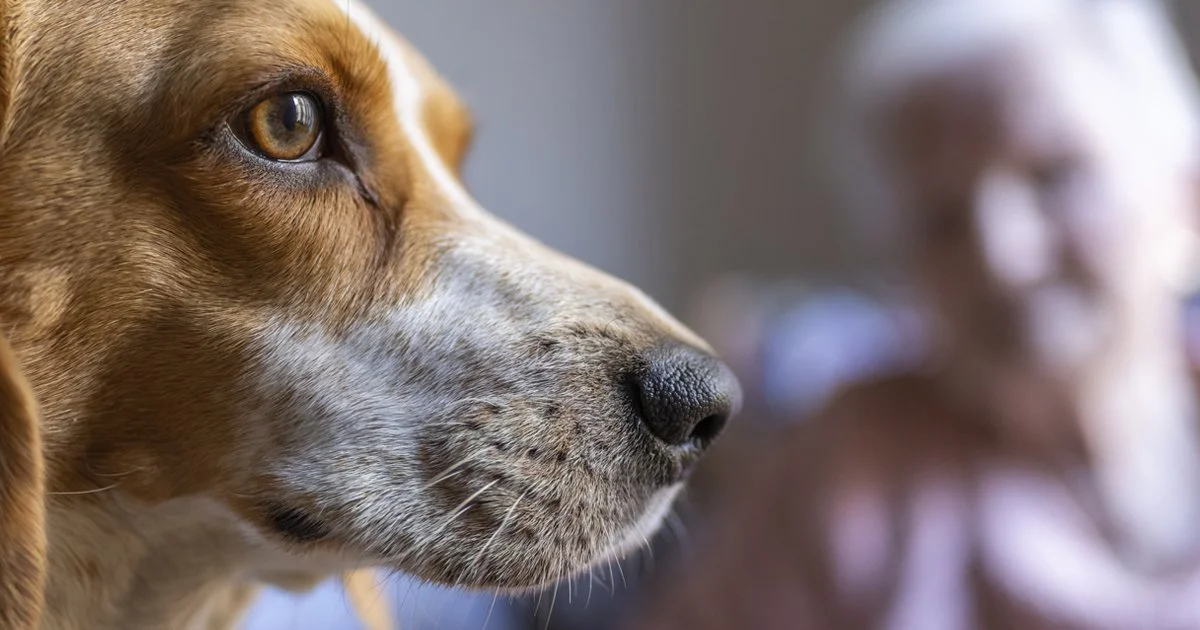
Human mobility changes with inevitable aging sometimes require us to think differently about caring for our dogs. photo: AdobeStock
Caring for a pet brings joy, routine, and companionship, especially for older adults. But as we age, small physical challenges can quietly turn everyday pet care into safety risks for the humans involved.
I was reminded of this recently while helping my mom leash up Diggity, her energetic, sometimes naughty Terrier, for a short walk. “You know, I sometimes feel dizzy when bending over to put on his harness and leash,” she said casually, as if this were no big deal. I, on the other hand, panicked.
I could instantly picture a dizzy spell combined with her already precarious balance resulting in a serious fall. “Mom, this is a problem,” I said, trying to sound supportive instead of naggy. “Let’s get Diggity up on a chair first with a treat, then put his harness on,” I suggested.
She paused. “Oh… good idea.” Crisis averted.
Of course, there is nothing more annoying for an 88-year-old than having their adult child constantly rearranging their life in the name of safety. Success depends on precision timing and just the right tone to introduce solutions that feel empowering rather than restrictive.
That moment with my mother sparked my curiosity about the small, often overlooked challenges seniors face when caring for dogs. To that end, I’ve started compiling a growing list of practical, real-world tips to help older adults stay safe while continuing to care for the dogs they love. If you or someone you love is getting up in years, I hope these simple solutions for common dog care challenges will help.
Balance Challenges
Falls are one of the biggest risks for older adults, and dogs can unintentionally increase that risk.
Ask your dog to jump onto a bench, ottoman, or sturdy chair before putting on a leash or harness.
Use a cane, walker, or long-handled scooper to stabilize yourself when picking up dog waste.
Safety Challenges While Walking Dogs
Daily walks are healthy, but they require awareness and stability on the part of the leash holder.
Avoid listening to music or podcasts while walking your dog so you can hear approaching people, bikes, scooters, or other dogs.
Watch your dog’s ears; they often hear things before we do.
Treat walks as a form of walking meditation and stay present.
Do not use a flexi-leash; read more about why here.
Use reflective outerwear, light-up collars, or reflective harnesses when walking your dog at dusk, dawn, or nighttime.
Pet Medication Management Challenges
Pet medications can be confusing or physically difficult to manage.
Ask your veterinarian not to use tamper-proof vials if they’re hard to open.
Request visit summaries in large print or in an email for easy reference.
Tell your vet if giving pills or liquids is difficult; many medications can be compounded into flavored treats or topical forms your dog will take more readily.
Be cautious with human topical medications, including estrogen creams; many are toxic to pets if transferred through skin contact.
Illness and Emergency Planning
Planning ahead for an illness or emergency protects both people and pets.
Have two care plans for your dog in case you are suddenly hospitalized or become ill; these could be friends, family members, or your regular boarding facility, but it’s important to have two plans in place so there’s a backup.
Include your dog in your will or estate plan.
Decide who should care for your dog in the event of your death and whether funds can be set aside for their care.
Vision Challenges
Reduced vision can make it harder to notice subtle health changes in pets.
Ask groomers or younger family members to visually check your dog during visits.
Let them know your eyesight isn’t what it used to be.
Ask them to alert you to new lumps, redness, hair loss, or limping.
Have them take a photo or short video on your phone to share with your veterinarian.
Weak Grip Strength or Arthritic Hands
Leashes and harnesses should work with your body, not against it.
Hold the leash under the loop and use the back of your hand to absorb pulling.
Test new leash and harness systems to ensure you can open and close them easily.
Keep the leash attached to the harness to reduce fumbling.
Do specific hand-strengthening exercises.
A Small Change Can Make a Big Difference
Diggity now happily jumps onto the ottoman, gets a treat, and waits for his harness so my mom no longer has to bend over to hook him up. She understands why it’s important not to get dizzy and why avoiding falls matters. Even her goodbye has changed. Instead of “Have a good day” she now says, “Stay vertical.” It’s funny but it’s also serious.
Pets are such an important part of our lives, especially as we age. With a few thoughtful adjustments, older adults can continue to care for the pets they love safely, confidently, and independently.