New Canine Cough Alert, Shelter Outings Boost Adoptions, The Taylor Effect on Dog Names, and More!

Is your friend feeling crummy? There’s a new, still undefined illness going around - stay informed and take all precautions to keep your pal safe. photo: AdobeStock
Medic Alert! Is Your Dog Coughing?
Heads up, dog lovers! Veterinarians are warning about a new highly contagious canine illness that began in the Pacific Northwest and is now spreading across the country.
Symptoms include those typical of kennel cough - coughing, sneezing, eye or nasal discharge, lethargy - but the cough tends to be wet, not dry, and the infected dogs appear to feel sicker than they typically would with a kennel cough. The new mystery illness hasn’t reliably responded to treatments so far and, in worst cases, can be fatal.
If your dog is coughing, please contact your veterinarian immediately and keep your dog away from other pups (for a quick primer on when to contact your vet, read more here). Some experts are urging folks to avoid dog parks and reconsider boarding plans for the holidays, and several communities have already canceled events involving large gatherings of dogs.
Let’s hope veterinary researchers get to the bottom of this medical mystery soon. In the meantime, stay alert to your own pup’s health and those around you. Remember, dogs can’t cover their mouths when they cough so be careful out there!
Sources: abcnews.go.com, kiro7.com, koaa.com, wormsandgermsblog.com

Researchers found that any time out of a shelter kennel, no matter how short or how long, significantly increased the likelihood of adoption. photo: AdobeStock
Every Little Bit Helps: New Study Shows Short Outings Boost Adoption Chances for Shelter Dogs
In happier news, researchers at Virginia Tech and Arizona State University have confirmed what many rescue groups have long suspected: walks with volunteers or short-term fostering significantly improve a shelter dog’s chances for adoption.
Researchers found that time out of a shelter kennel, including outings of just a few hours or a night in a foster caregiver’s home, increased the likelihood of adoption by 5 times in the case of short outings and more than 14 times for overnight foster stays. They also found that these programs were more successful when a larger number of community volunteers were involved, likely because more people gave the dogs exposure to a wider pool of potential adopters.
The Virginia Tech team had previously investigated how outings and temporary foster stays reduced shelter dogs’ stress, and they were pleased to discover these programs also measurably improved dogs’ chances of finding forever homes. While some volunteers did adopt the dogs they walked or fostered, study authors noted that the vast majority of adopters were not the caregivers themselves.
So why the boost? As one researcher put it, “These dogs were being seen in the community, meeting new people, and caregivers were sharing their stories. This increased exposure likely helped the dogs find their adopters.”
The science has spoken, folks: even a small commitment of time can mean big rewards for a pup waiting to be adopted. If you’ve been on the fence about volunteering to walk or host a shelter dog, let this be the nudge to get you started.
Source: sciencedaily.com
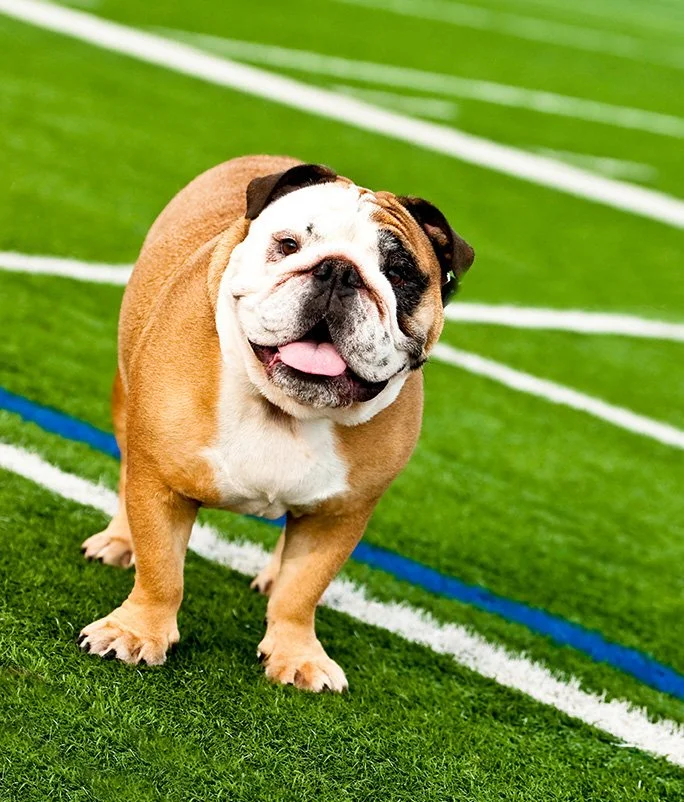
“Kelce” still has a long way to go to reach the #1 spot for dog names. photo: AdobeStock
The Taylor Effect: Even Dogs Can’t Shake It Off
Unless you’ve been living in a cave for the past six months (which is sounding like a better idea all the time), you’re probably at least peripherally aware of the romance between pop icon Taylor Swift and NFL tight end Travis Kelce. Swift’s presence at games has already led to an uptick in new football fans, and it is also credited with sending Kelce’s podcast with his brother Jason to the number one spot on audio charts.
Now it seems the Taylor effect extends even to dog names. The pet-sitting site Rover recently pegged “Kelce” as the top trending dog name in the U.S. this year, up 135 percent from 2022.
That said, Kelce still has a long way to go to reach the #1 spot for dog names – or even to crack the Top 10 (Charlie currently holds first place for male dog monikers, with Luna coming in first for females). And only time will tell whether the Taylor/Travis love story, along with its golden spillover effect, has staying power.
Who knows? By this time next year, Kelce could be just another blank space where she’ll write a name.
Sources: scrippsnews.com, rover.com
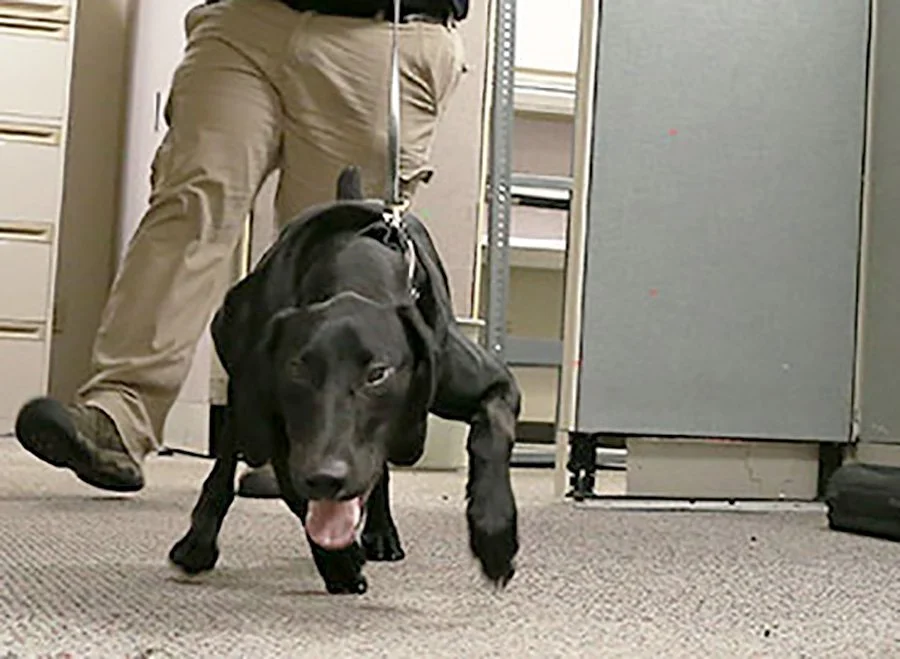
Bia shows them how it’s done, and why everyone should want a cash-sniffing dog. photo: MNDPS
That Green Stuff Smells Great! Currency K9 Sniffs Out Cash
After a year with Minnesota’s Alcohol and Gambling Enforcement Division, a two-year-old German Shorthaired Pointer named Bia recently became the first K9 officially certified by the North American Police Work Dog Association to sniff out U.S. dollars.
Even before gaining her hard-won certification, Bia was already on the job, helping solve criminal cases involving illegal gambling, unlicensed alcohol sales and distribution, and stolen funds from charitable gambling. Now she’s aced one of the toughest tests in the country, locating 12 different sets of currency hidden in a variety of settings including buildings, luggage, and vehicles.
“Typically, special agents would have to go through every room of a house, finding currency that’s been hidden inside of furniture, floorboards, and clothing,” said her proud handler Brad Rezny. “Bia is able to search a house or a car in a fraction of the time it would take a group of us to search that.”
There are some things money can’t buy. A priceless nose is one of them.
Sources: valleynewslive.com, dps.mn.gov

Evidence shows humans loving dogs isn’t new. photo:
Taronga Conservation Society
‘Til Death Do Us Part: Burial Rites Show Ancient Dingoes Were Beloved
While the Dingo is sometimes maligned in today’s Australia, new evidence underscores the historically close relationship between these ancient wild dogs and Australia’s Indigenous people.
Carbon dating of Dingo bones at the Curracurrang archeological site south of Sidney reveals some were buried alongside humans at least 2,000 years ago.
“Not all camp Dingoes were given burial rites, but in all areas in which the burials are recorded, the process and methods…are identical or almost identical to those associated with human rites in the same area,” said lead researcher Dr. Loukas Koungoulos. “This reflects the close bond between people and Dingoes and their almost human status.”
Researchers noted that the relationship between Dingoes and Indigenous people was already well established when the first Europeans arrived in Australia in the 1600s, and it was documented by observers at the time. The care taken with the Dingoes’ burial rites further suggests the kind of loving bond enjoyed by many modern dogs and their humans - thousands of years before those pesky colonists showed up.
Source: sciencedaily.com, arkeonews.net