Most Popular Pups, More Breathless Breeds, Designer Dogs' Deportment, and More!
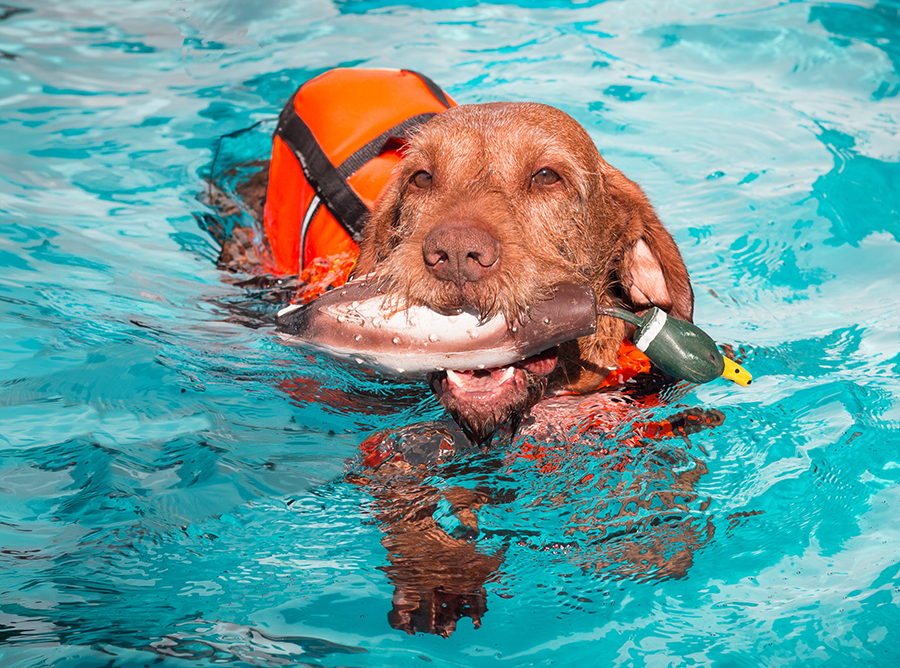
The Wirehaired Vizsla (shown here practicing her sport) showed the biggest jump in popularity, rising 29 spots to land at 130th. photo: AdobeStock
Most Popular Pups?
AKC Releases Annual Breed Rankings
Those delightful dog snobs over at the American Kennel Club released their annual list of the most popular dog breeds last month. And despite well-known health problems caused by overbreeding, the diminutive French Bulldog trotted off with the top spot for the fourth year in a row, having ended the Labrador Retriever's 31-year-reign back in 2022.
Still, those lovable Labs hung onto a respectable second place, followed in order by Golden Retrievers, German Shepherds, Dachshunds, Poodles, Beagles, Rottweilers, German Shorthaired Pointers, and Bulldogs rounding out the Top 10. Dachshunds actually knocked Poodles down to sixth place this year, offering no surprise to anyone who's ever known one of those feisty little wiener pups.
Farther down the list, the Wirehaired Vizsla showed the biggest jump in popularity, rising 29 spots from 159th place to 130th. Meanwhile, the massive Cane Corso continued its steady climb, now sitting in 11th place, up from the 50th spot 10 years ago. Those who dropped in the rankings included Greyhounds, Briards, Black Russian Terriers, and Kerry Blue Terriers (click here for the full list).
Luckily, the dogs themselves could care less about all this, clearly demonstrating more maturity than your average human middle schooler. And no matter what the AKC says, mutts are still the most popular dog in the nation and certainly at our house.
So many deserving animals need homes. If you're looking for a new friend, why not resist the lure of the snooty factor? Adopt, don't shop, folks - you won't be sorry.
Source:dailyvoice.com
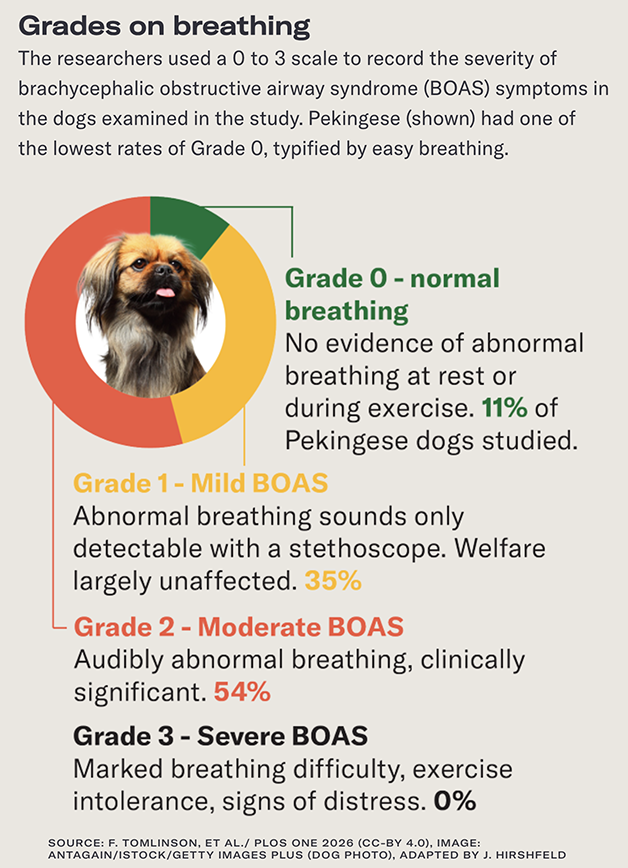
The Science speaks for itself: humans have no shame when it comes to dangerous overbreeding. chart: sciencenews.org
Breathless: More Flat-Faced Dogs Suffer from BOAS
Speaking of Frenchies, yet another new study finds that breeding dogs with shortened brachycephalic skulls - the flattened faces so many find cute - results in chronically obstructed airways.
The prevalence of Brachycephalic Obstructive Airway Syndrome (BOAS) has already been well documented in Frenchies, Bulldogs, and Pugs, but this new study expands the research to examine 14 other flat-faced breeds. Nearly every breed in the study demonstrated some detectable level of breathing abnormality, with only the Maltese and Pomeranian showing no clinically significant airway problems.
In fact, among some flat-faced breeds, only 11 percent or less were found to breathe easily. Which poses a question for the humans charmed by this intentional deformity: how cute would it be if you had to spend your life gasping for air?
Source: sciencenews.org
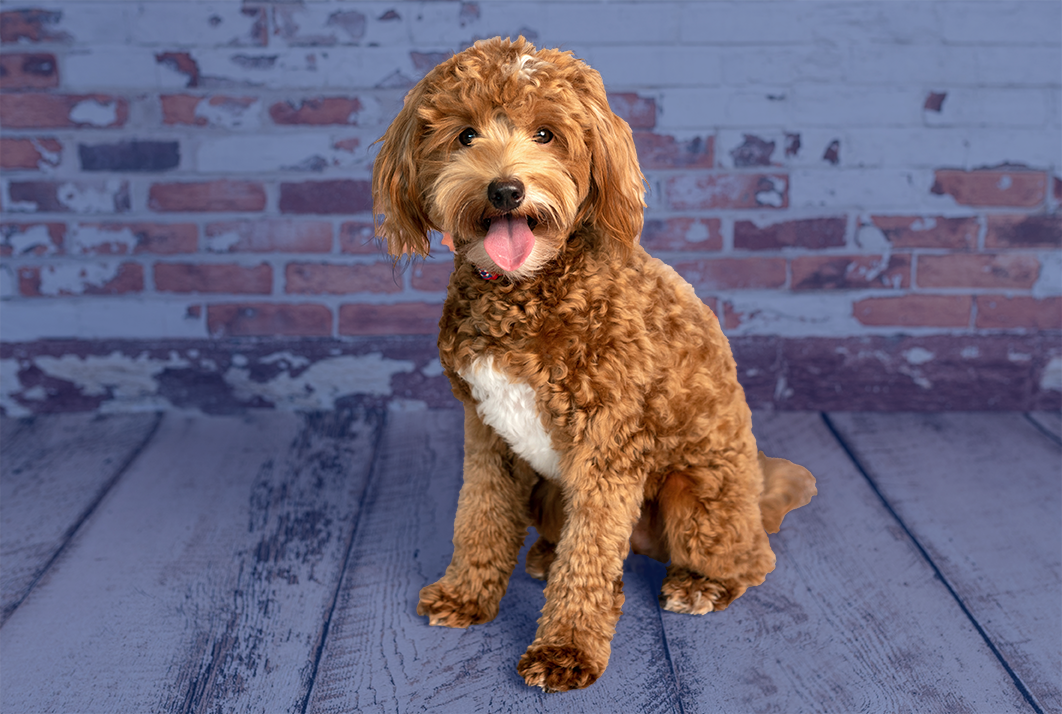
Designer dog breeds may suffer more health and behavioral problems than purebred breeds. photo: AdobeStock
Oh Behave! Study Questions Designer Dogs' Deportment
Meanwhile, in other breeding news, a survey-based study of three designer crossbreeds - Cockapoos, Cavapoos, and Labradoodles - found that, contrary to public perception, many of the designer dogs showed more undesirable behaviors than their purebred progenitors.
Researchers at Britain's Royal Veterinary College relied on the Canine Behavioral Assessment and Research Questionnaire (C-BARQ), a well-established way to analyze different dog behaviors, to compare each crossbreed dog with its two purebred parents. In over 44% of cases, they found that the crossbreed dog had more undesirable behaviors than either parent, while only 9.7% exhibited fewer problems (the remaining 45.8% showed no notable difference).
Of the three crossbreeds studied, Cockapoos scored worse than either purebred parent in 16 of 24 behaviors, including owner-directed aggression, stranger-directed aggression, and excitability. Cavapoos scored worse in 11 of 24 behaviors, including excitability, separation problems, and dog-directed fear. Labradoodles scored worse in five behaviors, but better in six, showing less owner- or dog-directed aggression than their purebred Poodle parents. Guess you can thank those ultra-friendly Lab genes for that.
While the popularity of designer dogs continues to rise, very little research has tested the widespread belief that these pups tend to have more desirable behaviors. The authors of this study say they hope it will lead to more awareness of potential crossbreed behavior issues to support safe, rewarding dog ownership for all.
Sources: phys.org, journals.plos.org
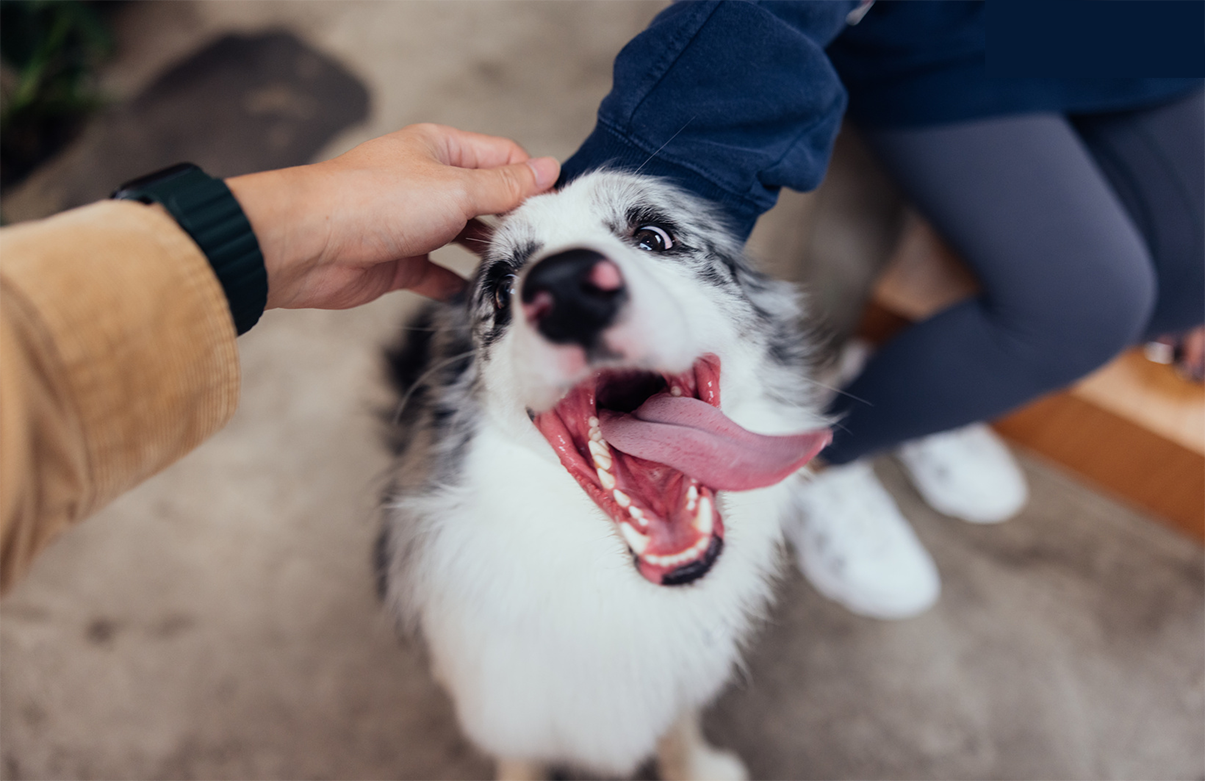
Friendliness may be in the genes, say the researchers. photo: AdobeStock
What Makes a Dog Friendly? It's in the Genes
What makes a friendly dog wriggle and wag with joy when he sees a beloved human or other favorite pup pal? Scientists now say they've identified the key to a dog's friendliness - and not surprisingly, it's in the genes.
Researchers used genetic clues from humans with Williams-Beuren syndrome, a developmental disorder that, among other things, often makes a person unusually trusting and friendly. They found that extremely social dogs had more "disruptions" on a gene for a protein that regulates the activity of other genes and that this disruption was associated with the most social dogs. A relative lack of disruptions on that same gene was associated with more aloof, wolflike behavior in the dogs studied.
"The study is exciting because it provides such strong support for the 'survival of the friendliest' hypothesis of dog domestication," noted one expert not involved in the research. Whatever the reason, we're just glad these furry friends are happy to see us.
Source: science.org
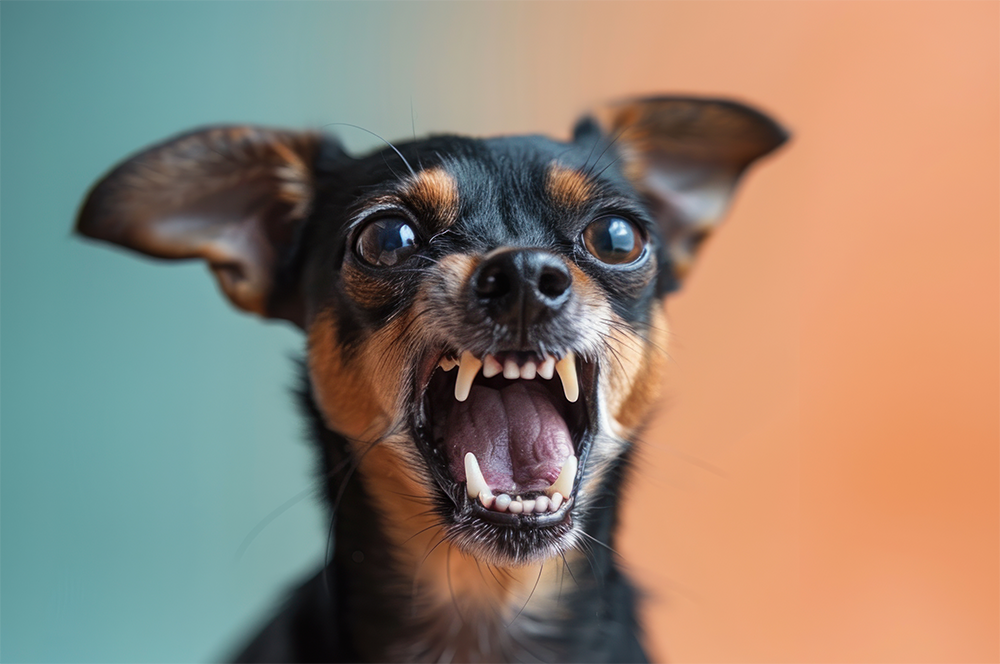
Dog bites are on the rise and have spurred a new “Paw Patrol” in the Tenderloin district. photo: Vecteezy
Bites Up, Resources Down: SF Struggles to Keep Pace
Not to end on a bummer note, but dog bites in San Francisco are on the rise, and nowhere more so than in the city's Tenderloin neighborhood. As of last fall, at least 27 percent of the city's reported dog bites occurred in the Tenderloin, according to SFPD.
In response, Tenderloin district police recently launched "Paw Patrol," an operation designed to educate the public about leash laws and other regulations. "We don't want to penalize people who are responsible," says Lt. William Elieff. "At the end of the day, we just want to educate the community."
In fact, dog bites are rising across the city, not just in the Tenderloin. In 2025, there were 1,033 reported dog bites in San Francisco - and it's thought the true number is likely even higher as many people who are bitten may not bother to report it.
If a bite is reported, Animal Care and Control attempts to locate the owner and have them quarantine the dog for 10 days. If the dog's owner is homeless or unable to comply with this requirement, the agency will quarantine the dog for them. Officers may also follow up with the owner, warning them to keep the dog on a leash or possibly muzzled when in public.
Complicating all of this is the fact that the city's Vicious and Dangerous Dog hearings - a.k.a. Dog Court - were suspended in 2024 due to lack of funds, according to Paul Henderson with the Department of Police Accountability, which administers the hearings. While hearings were resumed briefly in 2025, they are now on hiatus again, with 61 cases currently pending. "Given that there are more dogs than children in San Francisco, it is important for the city to prioritize maintaining a strong VDD program," says Henderson.
Will city leaders step up with more resources to address the rise in dog bites? Stay tuned for updates.
Source: missionlocal.org