Dogs Resolve Human-Bear Conflicts, Climate Change Spurs Canine Crankiness, Social Supports Keep Dogs Healthy, and More!

Puppies are tested with a number of exercises, including exposure to stuffed predators. photo: Isabelle Groc
Bear Shepherding: Getting By With a Little Help From My Foes
Karelian Bear Dogs, a hardy Finnish breed, were once used to hunt bears and other big game in parts of Russia and Finland. Now these fearless pups are helping keep bears alive here in the U.S.
Carrie Hunt, with the Wind River Bear Institute in Montana, heads up an innovative program training these dogs – KBDs for short - to scare away bears who might otherwise get too close to human settlements and be killed. KBD puppies undergo a series of tests and personality evaluations with just 20 percent of any given litter making the cut to become bear conflict dogs. Once they’re ready, the dogs are deployed across North America, including Alaska where they’ve helped resolve conflicts between people and grizzlies in Denali National Park and Preserve.
As our human footprint continues to expand into bears’ natural habitats, the potential for bear-human conflict increases. But because coyotes and wolves can kill their cubs, bears are naturally wary of canids. “The dogs have a body language, an animal-to-animal conversation that speaks much stronger to the bear than I can,” says one game biologist. The KBDs’ keen sense of smell also helps detect the presence of bears before humans can, letting wildlife managers take preventive measures while staying safe.
At the Wind River Bear Institute, Hunt emphasizes “bear shepherding,” which she describes as teaching bears and people correct behaviors so they can safely co-exist. While Karelian Bear Dogs do their part to keep the peace, today’s bears have no idea that a former foe is now helping them survive.
Source: theguardian.com
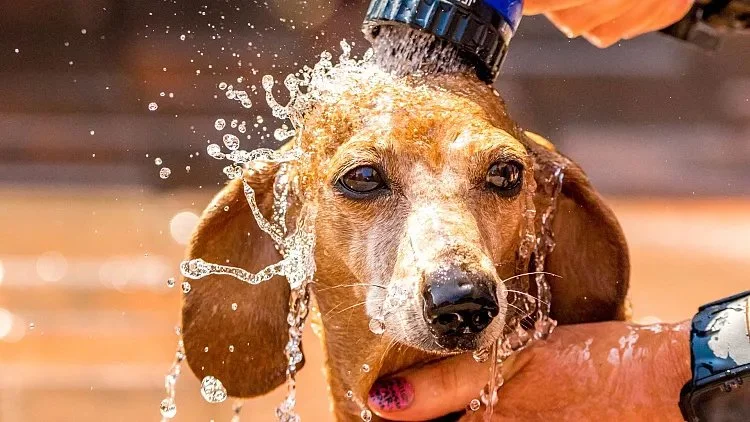
Like humans, pets are prone to feelings of increased aggression during periods of hot weather. photo: Canva
Hot Times! Climate Change Spurs Canine Crankiness
It’s not news that humans can be short-tempered during the sweltering dog days of summer. But now new research from Harvard Medical School shows heat and pollution can make our furry friends cranky, too.
After analyzing a dataset of nearly 70,000 dog bites over a nine-year period, researchers found dogs were more likely to bite on hot, smoggy days that are becoming more frequent with climate change. Or as the study authors put it, “The societal burden of extreme heat and air pollution also includes the cost of animal aggression.”
Specifically, bites increased by 11 percent on days with higher UV levels, 4 percent on hotter days, and 3 percent on days with increased ozone levels. Conversely, dog bites decreased by one percent during the presumably more soothing days of high rainfall.
It’s long been known that higher temperatures can cause increased heart rates, blood pressure, and stress in humans, as well as testosterone surges that can boost aggression. Various studies have found that violent attacks rise in warmer years and that people are more likely to quit their jobs during hot weather. One study even found journalists are more apt to use negative language in their reporting when the mercury spikes, to which we say #@%&&*!
So please be extra kind to your furry friends in the hot days ahead. And for the love of our planet, do what you can in your own life to help turn down the heat.
After all, dogs can’t reduce climate change on their own. No wonder they’re feeling a little cranky.
Source: euronews.com
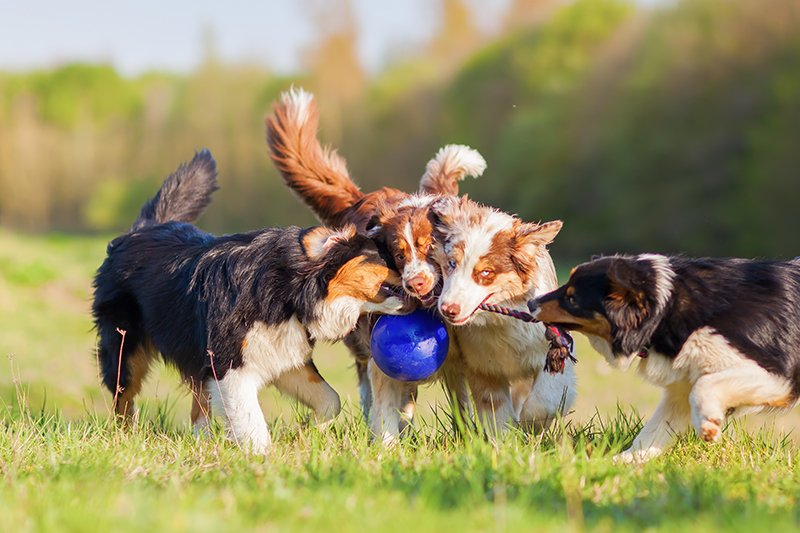
Social connectedness is good for the dogs that are living with us. And it’s good for us, too. photo: AdobeStock
The Science Is In: Man’s Best Friend Needs Friends, Too
It’s well established that social engagement is vital to maintaining physical and mental health in humans. Now a landmark study shows the same is true for our canine friends.
After crunching the data from a detailed survey of over 21,000 dog owners, researchers with the Dog Aging Project found that dogs with core social supports, including humans and dog companions, had better health outcomes, and that these social determinants had five times the effect of financial factors, household stability, or the age of the owner.
There were a few surprising findings, too. The number of children in a household actually had a negative association with dog health, leading researchers to theorize that the more time adults dedicate to their human children, the less they have to focus on their fur babies. “You can think of it as a resource allocation issue, rather than kids being bad for dogs,” said one researcher.
Also dogs from higher income households were diagnosed with more diseases, though the key word here may be “diagnosed.” After all, it’s not as easy for a low-income household to spring for a vet appointment every time Fluffy seems a little droopy.
The key takeaway according to researchers? Social connectedness is good for the dogs that are living with us. And it’s good for us, too.
Source: sciencedaily.com

Dogs with short snouts were found to have more breathing trouble while sleeping than longer-snouted dogs. photo: AdobeStock
Who Likes Short Snouts? Not Dogs With Sleep Apnea
Is your Frenchie snoring? Is your Pug sawing wood? It could be a sign of canine sleep apnea.
Researchers in Helsinki recently tested a new way to diagnose sleep-disordered breathing in dogs with a neckband used to identify sleep apnea in humans. Not surprisingly, the study revealed that short-snouted dogs, such as French Bulldogs and Pugs, snored more and experienced significantly higher instances of sleep-disordered breathing than those with longer snouts. Overall, the brachycephalic dogs were found to suffer a greater number of recurring episodes in which normal breathing was interrupted by obstructed airways, similar to human obstructive sleep apnea.
In both humans and dogs, interrupted sleep and pauses in breathing can have dramatic negative impacts on overall health. And, unfortunately, these findings just add to the list of medical woes for Frenchies and Pugs, whose overbreeding for extreme physical characteristics has resulted in multiple health issues for the flat-faced pups.
The Helsinki research group plans to explore other factors predisposing dogs to sleep apnea. In the meantime, we hope breeders of brachycephalic dogs are listening. Turns out not being able to breathe really isn’t that cute.
Source: sciencedaily.com
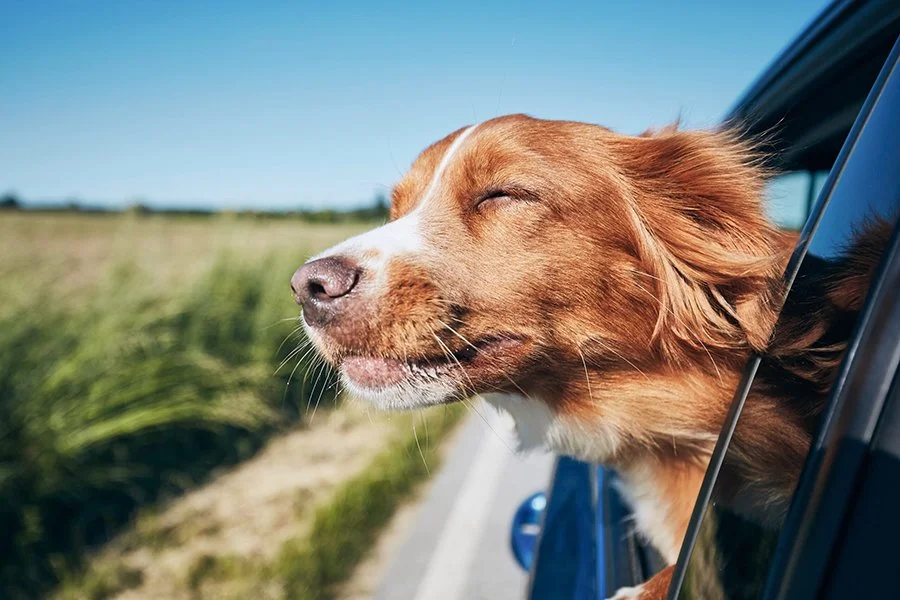
Dogs in Florida can continue to let their ears flap in the breeze, thank goodness. photo: AdobeStock
Update: Florida Dogs Retain Car Window Rights
Back in April, we wrote about Florida Senate Bill 932, which would have made it illegal for dogs in the Sunshine State to hang their heads out car windows, an act as close to a basic dogly right as butt sniffing in our humble opinion.
But after widespread ridicule from dog lovers around the world, this ill-conceived legislation has died a quiet death in committee without so much as a hearing. To be fair, the bill did include some more common-sense animal protections that unfortunately died as well. But for now Sunshine State pups are as free to flaunt their snouts in the breeze as those in more enlightened locales.
There’s no word on whether the bill’s author intends to refile her bill in the future, but according to her spokesperson, it’s safe to say a car window provision won’t be included if she does. Looks like humans can learn new tricks, too.
Source: floridapolitics.com