Who’s Teaching Who? Rethinking Your Approach to Dog Training
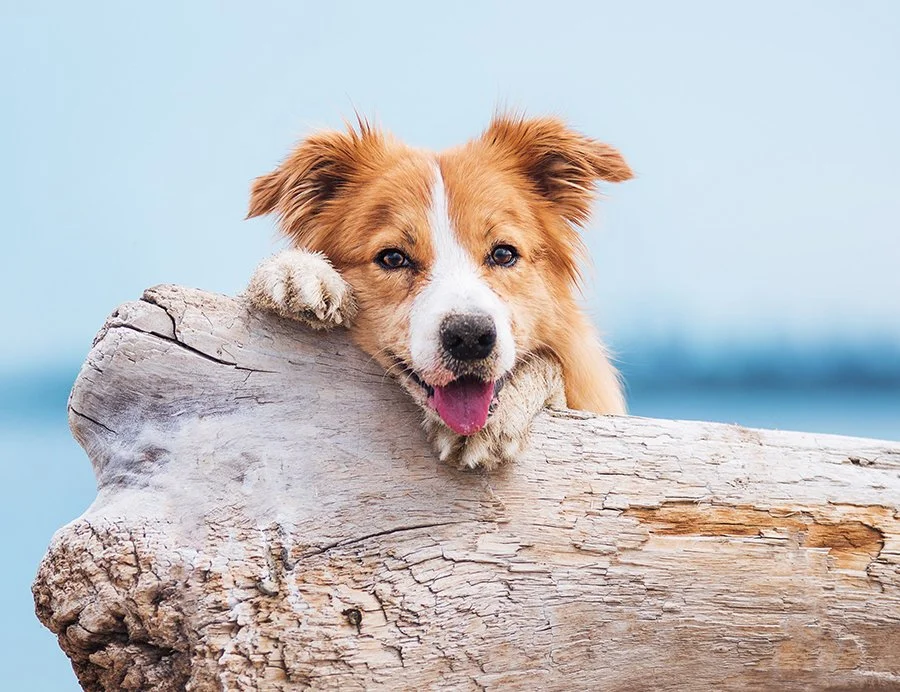
Training is more than a lifelong endeavor - it's how we connect. photo: AdobeStock
Dog training is often thought of as structured lessons: teaching a puppy to sit, working on leash skills, or getting your dog to come when called. But training isn't just about commands and obedience. It's an ongoing process of helping your dog develop the real life skills they need to thrive in our busy, human-centered world.
Training is a Lifelong Process, Not a Quick Fix
Training isn't something you do once and forget about. It's not like bringing your car to the mechanic or installing a software update. It's a lifelong process of building essential skills, improving communication, and learning how to live harmoniously with an adult of another species.
Dogs, like humans, are always learning. Whether you realize it or not, every interaction teaches them something. If your dog has figured out that barking at the fridge makes you hand over a piece of cheese, congratulations - you’ve been trained!
Training may be broken down into four main approaches, all of which play a role in addressing unwanted behavior. As a professional trainer and behavior consultant, I rely on some or all of these, depending on the dog and the situation.
1. Management: Setting Your Dog Up for Success
Think of this as baby-proofing, but for dogs. Management helps prevent unwanted behaviors before they happen. Instead of constantly yelling "no," create an environment where good choices are easy and bad decisions are unlikely.
Don't leave food on the counter if you don't want your dog counter-surfing. If they love raiding the trash, put the trash can behind a cabinet door. If they chew shoes, keep shoes out of reach and offer appropriate chew toys instead.
Management isn't cheating. You wouldn't leave a toddler alone with a box of Sharpies and hope for the best. The same logic applies to dogs.
2. Skills Training: Teaching Everyday Behaviors
Training isn't just about getting dogs to perform on cue. It's also about teaching them how to function in the world. A solid recall means more off-leash freedom. Walking politely on a leash makes outings more enjoyable for both of you. Learning to settle on a mat is a game-changer when guests come over or when you want to drink your coffee in peace.
And let's be honest. Every skill is basically a trick. The only difference is whether it makes life easier (loose-leash walking) or makes you smile (teaching them to spin in a circle).
3. Enrichment: Meeting Your Dog's Physical and Mental Needs
Many behavior issues in dogs stem from boredom, frustration, or a lack of appropriate outlets for natural instincts. Dogs don't just need exercise. They need opportunities to think, explore, and use their senses. Canines thrive on opportunities to sniff, meander, run, and engage in natural behaviors like digging, chewing, and foraging. When these needs aren't met, dogs become restless, frustrated, or develop behavior issues.
For high-energy dogs, enrichment might mean structured play like fetch or agility. For scent-driven dogs, nose work games can be incredibly fulfilling. Even something as simple as a "sniffari" walk - where your pup gets to explore with their nose at their own pace - can be a huge stress reliever for dogs.
4. Behavior Modification: Addressing the Root Cause of Reactivity, Fear, and Frustration
Rather than just trying to stop behaviors like barking, lunging, or growling, behavior modification focuses on why they happen and works to change the dog's underlying emotional response. Many of these unwanted behaviors stem from fear, anxiety, or frustration, not disobedience.
Behavior is a barometer: it reflects what’s going on beneath the surface. A dog who barks and lunges on walks isn’t just being difficult. They may be afraid of unfamiliar dogs, frustrated because they want to greet them but are restrained by a leash, or overwhelmed by their environment. Instead of asking, How do I stop my dog from barking?, a better question is, Why is my dog reacting this way?
Punishment may temporarily suppress barky-lungy behavior, but it doesn’t teach the dog what to do instead. It also doesn’t change how they feel. In fact, punishment can often make the behavior worse by increasing stress or fear.
A better approach is desensitization and counterconditioning. These methods gradually expose the dog to triggers at a comfortable level while pairing those experiences with positive outcomes. When a dog feels safe, their behavior naturally improves.
Reactivity can be complex. Working with a qualified, force-free behavior consultant can help you identify triggers, create a tailored training plan, and guide you through effective techniques to change your dog’s reaction.
Ruling Out Medical Issues
Before creating a training plan, it’s important to rule out any underlying medical issues. Pain, illness, or discomfort can cause sudden changes in behavior, including reactivity, aggression, or anxiety. A dog who growls when being touched might be experiencing joint pain. A house-trained dog who suddenly starts having accidents could have a urinary tract infection. Even subtle signs like excessive licking, pacing, or avoiding certain movements may point to a medical concern.
Behavior and health are deeply connected. If your dog’s behavior changes unexpectedly, a vet check should always be the first step before assuming the issue is purely behavioral. Once medical concerns are ruled out or treated, training and behavior modification become much more effective.
Dogs Don’t Have Behavior Problems - They Have Unmet Needs
Why do so many pet dogs struggle in their homes and on walks? More often than not, it's not a dog problem. It’s a mismatch of needs and expectations.
A common issue is misunderstanding canine behavior. Dogs aren’t little humans in fur coats. The things that frustrate us - barking, digging, chewing, or sniffing everything on a walk - are completely natural dog behaviors. Without understanding why dogs do what they do, it’s easy to mislabel normal, species-appropriate behaviors as problems. Dogs are dogs. They bark. They explore the world with their mouths. They communicate through body language. Instead of suppressing natural instincts, we should focus on guiding them toward appropriate outlets.
Another common problem is a sedentary, unfulfilling lifestyle without enough exercise, mental stimulation, and enrichment. Too often, dogs spend their days waiting for their humans to come home, take them for a walk, or simply pay attention to them. But dogs - especially working breeds - were bred to have jobs. Without productive outlets for their instincts, they’ll create their own: barking excessively, chasing anything that moves, chewing furniture, or just generally making mischief. A bored dog is far more likely to develop destructive or hyperactive behaviors. Two 20-minute leashed walks around the block just aren’t enough.
Without enough mental and physical exercise, dogs become restless and frustrated. They’re not bad dogs. They're just trying to meet their own perfectly legitimate needs however they can.
Training is a Two-Way Street
A common misconception is that training is something we do to a dog. In reality, it’s a mutual process. While we shape a dog’s behavior, they are shaping ours, too.
For centuries, humans have operated under the misguided belief - often rooted in religious or cultural traditions - that we have dominion over all the beasts. This idea has led to outdated training methods based on dominance and control rather than cooperation and understanding. But dogs aren’t trying to overthrow us; they’re simply trying to navigate the world in a way that makes sense to them.
For instance, dogs often learn that jumping up gets attention, whether it’s petting, talking, or even being pushed away. Without realizing it, their human is reinforcing the unwanted behavior. A dog who barks near the door and is let outside has successfully trained their human to open it.
Learning is always happening in both directions, whether we acknowledge it or not. Training isn’t just about giving commands. It’s about developing a dialogue where both sides are heard.
In fact, if dogs had little clipboards, they’d probably be running scientific studies on us. ("Day 27: Human continues to dispense cheese when I perform a perfectly timed head tilt. Data collection ongoing.")
Command vs. Cues
Many people think of training as telling a dog what to do and expecting immediate compliance. But true communication with our dogs isn't about barking orders. It's about teaching signals that help them understand what's expected and reinforcing the choices we want them to make.
The difference between a cue and a command comes down to communication and choice. A command is a demand for obedience. "Sit!" means the dog must comply or risk punishment, often without considering the situation or the dog's comfort. Commands are rooted in traditional, force-based training methods that prioritize control over cooperation.
A cue, on the other hand, is an invitation for engagement. If a dog doesn’t respond, it’s not out of defiance, stubbornness, or spite. It’s an opportunity for us to assess why. Are they confused? Distracted? Uncomfortable? Instead of assuming insubordination, a better question is: Does my dog truly understand this cue? Is something in their environment making it difficult to respond?
Training for Fun or Competition - Why Not Both?
For some dogs (and their humans), training doesn't stop at household manners. It becomes a hobby or even a sport! Whether for competition or just for fun, structured dog sports provide enrichment and exercise and are a great way to build communication and teamwork.
There are a range of dog sports to choose from, depending on your dog’s inclinations. Obedience and Rally focus on precision heeling, extended stays, and off-leash control. Agility challenges dogs to navigate obstacle courses at high speeds. Nose Work taps into a dog's natural scenting abilities, teaching them to find specific odors, which can be both a fun game and a practical skill. For dogs with strong breed instincts, sports like Treibball, Herding, or Dock Diving offer fun outlets for their natural drives.
Your Dog Does Not Owe You Obedience
Many people expect dogs to obey instantly and without hesitation. But dogs aren’t robots programmed to follow commands. They are sentient beings with their own emotions, instincts, and needs.
Are there any animals that have evolved to obey another species without question? Turns out, no. In nature, the only ones that do are controlled by parasites or mind-altering fungi (zombie ants!). Not exactly a healthy relationship dynamic.
Dogs are thinking, feeling individuals. While domestication has made them uniquely attuned to human gestures and verbal signals, they still retain autonomy and the ability to make choices. Rather than demanding unquestioning obedience, a better approach is to teach dogs in a way that makes desired behaviors easy, rewarding, and worth choosing.
As dog trainer and behavior expert Shay Kelly puts it:
"If you ask a hedgehog to come to you, but instead they curl in a ball, are they disobedient? Why would the answer be different if it were a dog? Obedience is a human construct. Dogs cannot disobey. We just failed to make the behavior the most likely outcome."
At the end of the day, dog training isn't about control. And it's certainly not about turning dogs into obedient robots. It's about building a relationship based on trust, communication, and mutual understanding.
Good training goes beyond commands. It teaches real-life skills that help dogs navigate our world. When we stop focusing on “fixing” behaviors and instead guide, enrich, and support our dogs, training feels less like a chore and more like a partnership.
So as you go about your day, think about this: What is your dog picking up from you? And just as importantly, what lessons are they teaching you? The answers may surprise you.