Your Dog’s Daily Wellness Checklist: The Three Pillars Approach
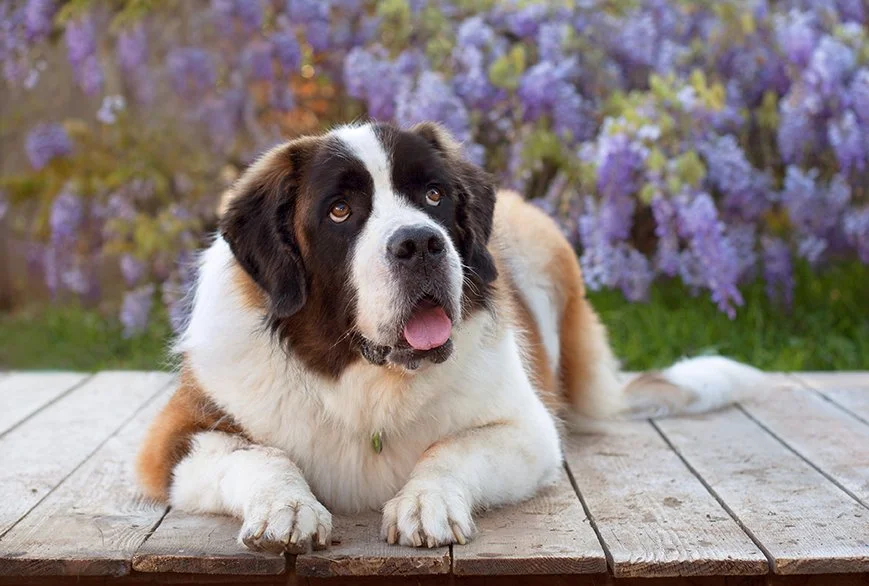
Dogs need rest as well as physical and mental activity to keep them happy and healthy. photo: AdobeStock
“What are some important things that dogs need every day?” I opened my volunteer training session at Berkeley Animal Control with this simple question, and hands shot up around the room. “Exercise!” “Food and water!” “Mental stimulation!” “Socialization!”
These experienced dog lovers rattled off answer after answer. But as the list grew, I noticed something was missing, something crucial that no one mentioned until I finally prompted them at the very end: rest and relaxation.
This moment captured why I’d been brought in to help at Berkeley in the first place. The shelter had a number of long-term resident dogs - often reactive, fearful, or challenging dogs - who needed support to manage shelter life without continuing to deteriorate while they waited for the right homes.
But here’s what I realized: most approaches focus on addressing problems after they’ve already started. We wait for a dog to become reactive, then try to fix it. We see deterioration happening, then scramble for solutions. As a modern trainer, I knew the most effective approach would be proactive - creating daily conditions that build resilience and prevent deterioration from happening in the first place. That’s when I developed Full Circle Care, a three-pillars approach that focuses on prevention rather than reaction.
What Are the Three Pillars?
Your dog might not be living in a shelter kennel, but like shelter dogs, they still have the same fundamental needs that all dogs have. This means we have to think holistically about what’s actually required for their mental and physical wellness and make sure those needs are being met in their daily routine.
The Full Circle Care approach recognizes that dogs need three essential things working together to truly thrive. Think of them as three pillars underpinning your dog’s well-being.
1. Stretch & Move: Physical Wellness
Your dog needs purposeful physical experiences that support their entire system. Physical wellness isn’t about exhausting your dog. It’s about providing them with opportunities for diverse, appropriate, and engaging movement that breaks up their routine and connects them to the world beyond your home.
Daily checklist:
✅ Did my dog get movement variety today? (Not just the same loop around the block)
✅ Did they experience new environments, textures, or smells?
✅ Did they have opportunities to run, sniff, and explore?
2. Think & Learn: Cognitive Wellness
Dogs’ brains need stimulation just as much as their bodies need movement. Without mental engagement, even physically tired dogs can become restless, destructive, or emotionally unstable. Engaging your dog’s brain could mean teaching a complicated new training trick or simply hiding their dinner around the yard instead of putting it in a bowl. You want your dog to have novel things to think about and explore cognitively.
Daily checklist:
✅ Did my dog do something mentally engaging today?
✅ Did they practice skills or learn something new?
✅ Did they have opportunities to interact with their environment?
✅ Did they engage in their natural behaviors like sniffing, foraging, or digging?
3. Rest & Reset: Nervous System Wellness
Here’s the piece most people miss entirely: dogs need to practice relaxing and regulating their nervous systems. This is especially crucial for dogs dealing with any kind of stress, such as those in shelters, but it’s important for all dogs. You want to help prevent stress from accumulating by creating regular moments for your dog’s system to reset and recover.
Daily checklist:
✅ Did my dog have dedicated quiet time today?
✅ Did they practice calm behaviors like relaxing on a mat or settling in with something to chew?
✅ Did they get decompression time such as a sniffing walk with no agenda?
✅ Did they have a safe space to retreat to and sleep?
Is Something Missing?
Look at your dog’s typical day and ask: are they getting all three pillars? Maybe your high-energy dog gets tons of physical exercise but never has brain-engaging activities. Perhaps your anxious dog gets mental enrichment but no dedicated calm-down time. The goal isn’t a perfect balance every single day; it’s noticing patterns and making sure nothing gets completely neglected over time.
Start by tracking one week of your dog’s days. Which pillar shows up consistently? Which one is missing? Most people discover they’ve been over-focusing on one area while completely ignoring another.
Building Resilience
What makes the three pillars approach different is that it’s proactive, not reactive. Instead of waiting for behavioral issues to develop and then trying to fix them, you’re building your dog’s resilience daily, not just managing problems. This is the shift in thinking I brought to the Berkeley shelter - moving from addressing problems after they develop to preventing them from occurring in the first place.
The same principle applies at home. Use regular daily wellness practices to support your dog’s complete well-being, rather than waiting to address issues after they arise.
Getting Started
You don’t need to overhaul your entire routine overnight. Pick one pillar that seems most neglected for your dog and focus on incorporating it into your daily rhythm. Maybe it’s adding five minutes of nose work games, taking a different walking route, or creating a consistent wind-down routine after work. The goal is to incorporate sustainable daily practices that support your dog’s complete well-being, with body, mind, and nervous system working together.
Your dog doesn’t need perfect days, but they do need complete days. When all three pillars are part of their regular routine, you’re not just preventing problems. You’re actively building a happier, more resilient companion.
Take Action
If you’re inspired to put these principles into action while helping dogs in need, Berkeley Animal Control is always looking for volunteers who understand that real dog care goes beyond just getting them out of their kennels.
After all, sometimes the best way to help your own dog thrive is to help other dogs do the same.