Is It Gratitude or Survival Instinct? The Science Behind Dogs’ Feelings
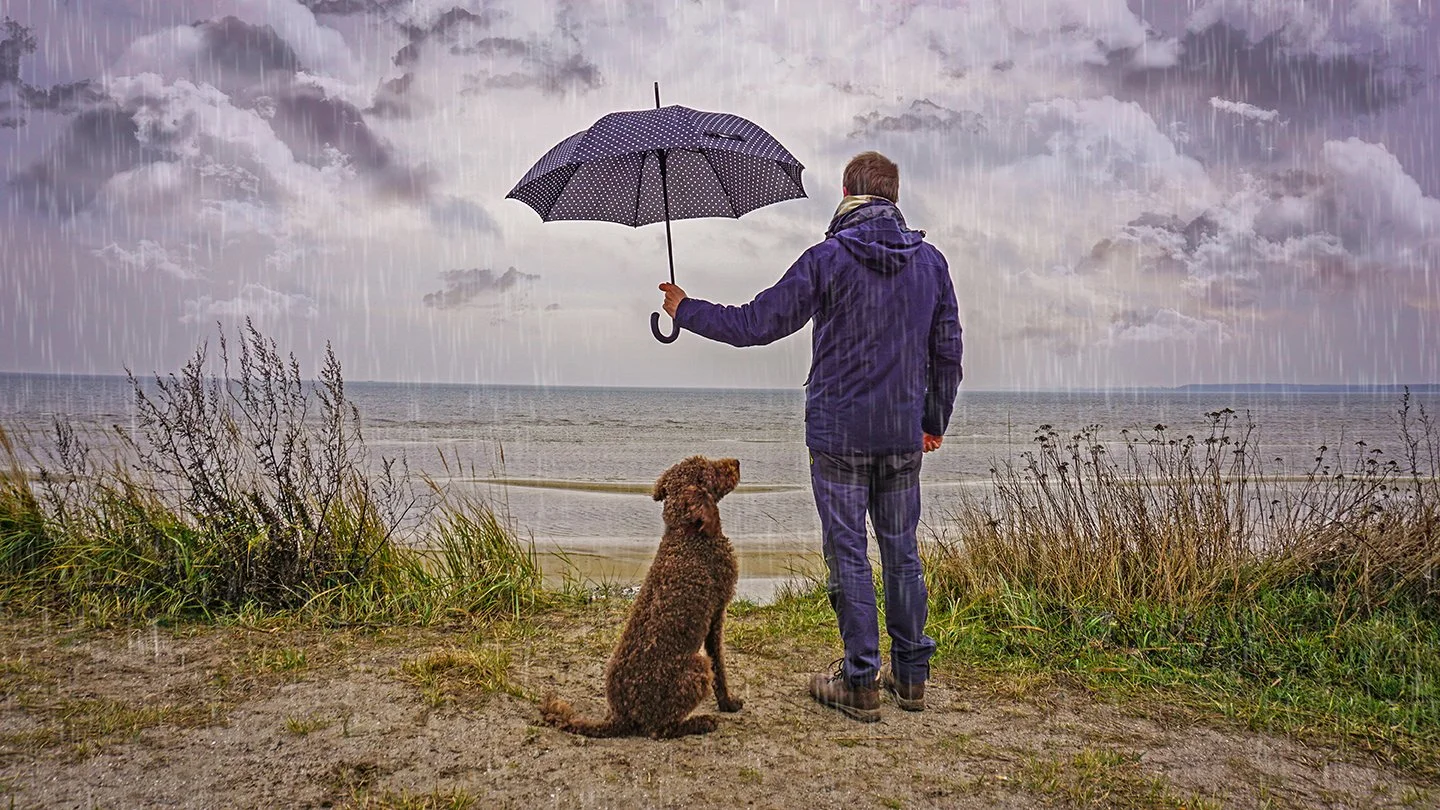
photo: AdobeStock
Our dogs express their gratitude toward us in multiple ways every day. They snuggle us, lick us, and save us a generous six inches on the bed if we’re lucky. I’m grateful for my dogs, and I’m grateful for the science that helps me better understand them, making sure I can show my gratitude to them in ways they can understand, appreciate, and enjoy.
I’m especially grateful for Bay Woof’s gratitude theme this month, because while researching the latest findings on dogs’ abilities to feel and express this emotion, I came across several very interesting dog science gems.
First, dogs and humans develop a biological bond through the shared creation and maintenance of oxytocin. Don’t worry, this is not to be confused with oxycodone, the opioid wreaking global havoc right now. But it is a feel good hormone for both dogs and humans - the same one which, when released by the pituitary gland in mother dogs, produces milk and stimulates mammary glands. When we pet our pups on their bellies, it triggers the production of happy oxytocin in our pups and in us, as well. Win-win.
Second, dogs develop what scientists call “emotional catching,” meaning they learn more about how and what to feel by living with us, based on sharing our emotions. These same smart researchers have also discovered that the longer a dog lives with a specific human, the more they “catch” these emotions, gratitude being one.
Third, I learned that dogs do have a quantifiable experience of empathy, and that, again, the longer they live with us, the more empathy they feel towards us. Of course, the scientists then ruined this warm and fuzzy fact by postulating that, in evolutionary terms, the dog's expression of care for a human might simply be to ensure their own survival or that of their species - a sort of “I scratch your back, you scratch mine” type of exchange, which is seen in primates as well. Basically, this theory holds that their comforting us when we are sick or down means the dog really wants to make sure we’re going to live and keep feeding them. So much for the gooey goodness of believing they do it because they unconditionally care for us. Boo!
But the most mind-blowing fact I came across was that some smart folks actually did research to find out why it takes a dog so long to poop (wouldn’t you like to read the grant application for that study?). Which brings me to a digression: Patton Oswald once told a story about walking his French Bulldog past midnight in rainy, cold Manhattan. They happened into a tunnel and soon discovered two men taking narcotics and trying to have sex with each other, at the same time. Oswald did his best to remain silent and oblivious to the pair, but his dog was taking forever to sniff all the yumminess on the tunnel floor. Finally, the pup started his circle dance and at that very moment, one of the two men shouted out towards Oswald, “Oh, nice! So rude!!” That story never fails to amuse me.
Anyhow, back to that research. The reason that dogs endlessly, randomly circle when preparing to poop is because - and here is the absolute most fascinating fact ever - dogs have an internal magnetic field compass that aligns with the earth’s magnetic compass! The researchers took dogs out, letting them run far away and come back several times, and they discovered that the dogs found their way back to the research team due to this internal compass telling them where to go. This explains why domestic and wild dogs have a known sense of two specific boundaries: territory and home. Territory extends about 3-6 miles around the home base, which is where the pup sleeps, eats and, with the proper magnetic alignment, poops. Mind blowing stuff, yes?
Additionally, depositing scent and providing information about oneself to other canids in the ‘hood (sort of like an OkCupid bio) is also part of the ritual, which is why allowing your pup to sniff is so vitally important. Not only is their nose crazy different from ours (among other things, their nostrils are aerodynamic and can move independently, one at a time, to maximize scent intake and determine location, distance, etc.), but sniffing allows them to read the news and submit their own editorials on their walks. Call it pee-mail.
Moral of this story: let your pup take the time to align himself when pooping. And be grateful you’re not in a cold, rainy tunnel with two drug-addled, copulating guys yelling at you.