Confidence: The Best Gift of All
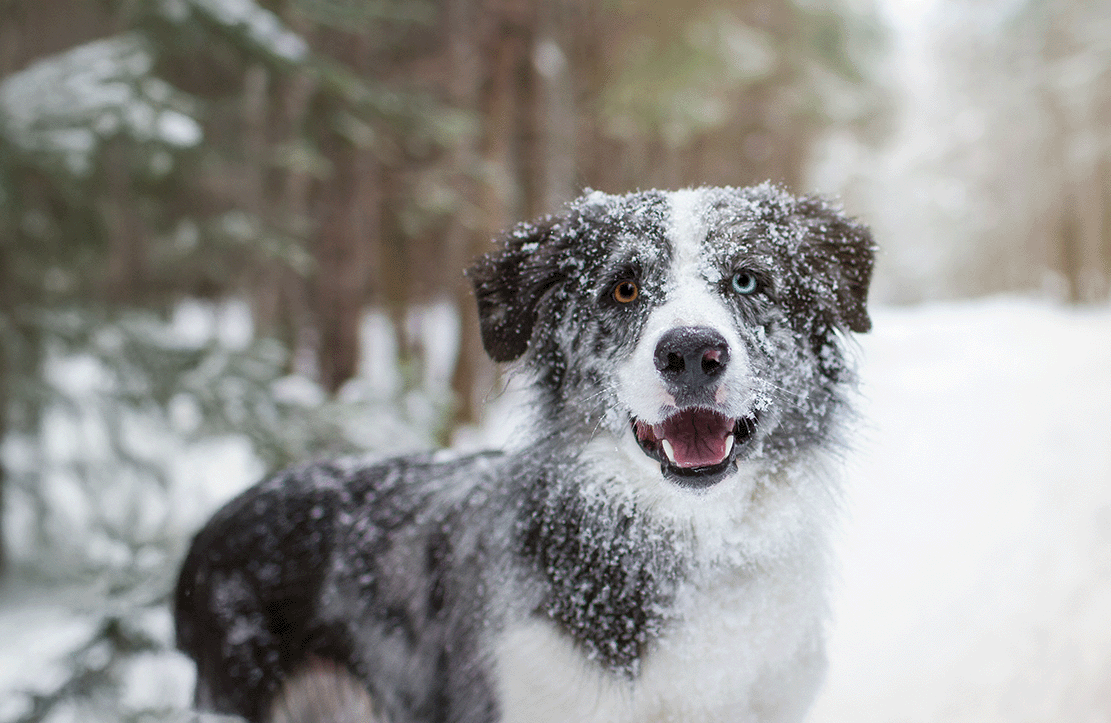
Helping our dogs learn confidence is a skill that reaches everything they do. photo: AdobeStock
Special treats or silly sweaters are fine, but the best gift we can give any dog is confidence. Confidence to live in our human world without fearing unfamiliar people, unfamiliar dogs, scary stimuli, and strange scenarios.
Instilling confidence in a young dog is so easy and fun to do, but it’s extremely time-sensitive. Sadly, so many puppies miss out on this early training, only to suffer a lifetime of stress, anxiety, and fear.
These days, many puppies starting Puppy 1 classes, or even Puppy Kindergarten, are already frightened of unfamiliar people and other puppies. For them, their first session is primarily therapeutic, rather than preventative. Luckily, at that young age, fear, anxiety, and over-the-top play may be quickly nipped in the bud during their first session. That’s why building confidence and molding personality and temperament are now major ingredients of the SIRIUS® syllabus.
Hugo and Dr. Dunbar work on speed luring. video: Dr. Dunbar
Unfortunately over the past decade, the dog training profession has strayed away from teaching off-leash puppy classes two important things: (1) to prevent utterly predictable behavior, temperament, and training problems, such as wariness, fear, and aggression toward people; fear and reactivity towards other dogs; separation anxiety; or sound-sensitivity - the mental afflictions that affect too many adult dogs; and (2) to quickly resolve hyperactivity, barking, jumping-up, and pulling on leash before these behaviors become habitual and frustrate and annoy owners. Instead, today many trainers only offer individual consultations for adult dogs that are already exhibiting these behaviors, problems that used to be prevented via early socialization in the home and off-leash puppy classes.
To understand why this is so important, look no further than the American Veterinary Society of Animal Behavior (AVSAB) Position Statement on Puppy Socialization. It states: "Behavior problems are the number one cause of relinquishment to shelters. Behavioral issues, not infectious diseases, are the number one cause of death for dogs under three years of age.”
So, what's to be done? Clearly, we must reverse this trend and get back to early safe socialization. Here’s how.
1. Puppies must be socialized with many unfamiliar people prior to 12 weeks of age in the breeding kennel and in their new home. The OPEN PAW Behavior & Training Program for Shelters and Rescues recommends that puppies be socialized, hugged, handled, and hand fed by at least five unfamiliar people every day during this period. The OPEN PAW program is available at no charge to dog owners, shelters, rescues, and trainers in the Free Course Collection at DunbarAcademy.com.
Here’s a simple way to do this at home. Twice a week invite half a dozen people and ask each person to bring two different friends to a 'home puppy party'. After all, who doesn’t want to meet a new puppy? That’s 24-36 new people a week, and you’re all going to have a blast, learning and changing your puppy’s life - for life!
Besides the home parties, take time to carry, cart, or drive your new puppy to your local main street or a shopping center car park and encourage people to pet and hand feed your pup. Give your pup plenty of time to become accustomed to the hustle and bustle and general cacophony of our human world.
Two important medical notes:
Puppies may be safely socialized with people without risk of contracting parvovirus, but I would still recommend that outdoor shoes remain outside to prevent the risk of any fomitic infections.
Until your pup has completed their vaccinations, do NOT let them sniff the ground in public places that may have been frequented by infected or unvaccinated dogs, especially not in a shelter or veterinary clinic parking lot, or on the floor in a clinic waiting room.
2. Sign up for an off-leash puppy class. The AVSAB recommends enrolling your pup “in off-leash puppy training classes prior to three months of age" that are "held indoors on surfaces that are easily cleaned and disinfected." Off-leash puppy classes help young dogs develop bite inhibition and social savvy so that as adolescents and adults they may continue to train off-leash in group classes and enjoy trail walks and park visits.
3. Download free training books. New and prospective puppy owners may download three eBooks for FREE from dunbar.info/FreePupBooks to learn what problems to expect from a young puppy and how to prevent them. The Good Little Dog Book is a photographic guide for training dogs - and even cats - of all ages.
Puppy season is upon us so please don't let this year's crop of sweet young dogs grow up in a social vacuum. Take the time to enrich their social and sensory environment and give them the lifelong gift of confidence they deserve.