Not Just for Dogs: Animal Commission Takes a Deeper Dive on Cat Policies
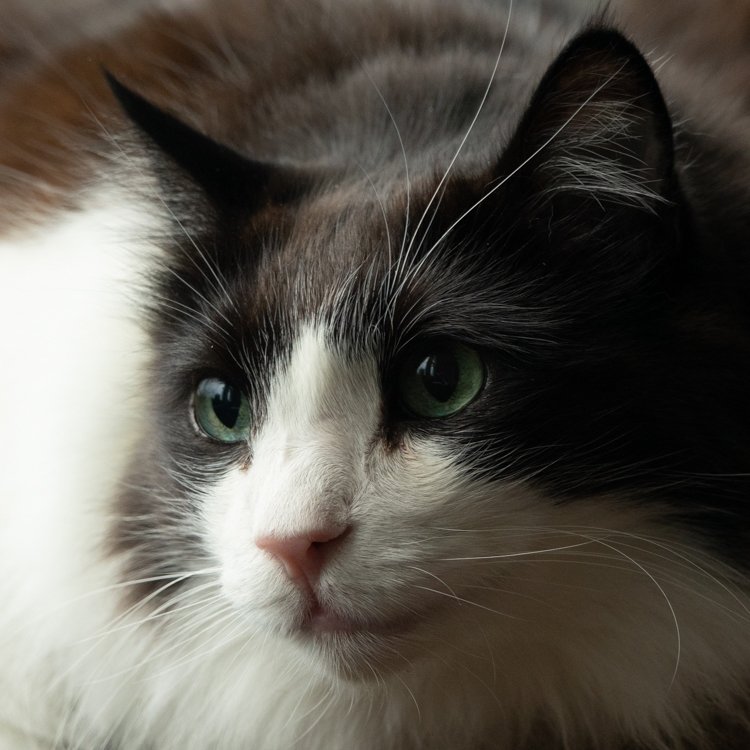
Henry at his window perch. photo: Nina Irani
I know that Bay Woof is a dog magazine, but hear me out. Cats need love, too.
Henry, my sweet companion cat, was once homeless. On Valentine’s Day 2013, the San Francisco SPCA took him in and we adopted him two weeks later. I often wish I knew more about his life before. What circumstances led him to a shelter?
Like so many cats, Henry did not have a microchip before being sheltered. But he was a healthy weight, so I can guess he had a family before mine. Had he been lost? Abandoned? Surrendered when his first family could no longer care for him?
Whatever the circumstances, Henry needed help. Thankfully, he received it, and we are so lucky to share a life with him now.
Many cats are not so lucky. Although the homeless cat population has decreased substantially in San Francisco, thanks to efforts by the rescue and shelter community, our city’s current support network is not enough to help all who need it.
This fall, the Animal Commission is hosting a conversation about San Francisco’s homeless cats and how to better support them. The discussion began last month when two active members of the cat rescue community, Maria Conlon, co-director of Give Me Shelter cat rescue, and Alena Ja, an SPCA volunteer cat trapper, gave a presentation to the commission.
Conlon and Ja shared stories from the community about cats in need and questioned whether our city shelter, Animal Care & Control (ACC), could do more, especially when compared to cities with smaller budgets and greater cat intake. They expressed concern that ACC’s cat intake policy does not always identify cats at risk.
ACC’s current policy is based on research showing that cats are “...10-50 times more likely to be reunited with their owners by returning home on their own or being returned to their pick-up location, rather than through a visit or call to the shelter.” Oakland Animal Services (OAS) Director Ann Dunn verified this research in a conversation with me, noting the reunification rate at OAS is just 4%. According to Director Dunn, one of the main reasons for the low reunification rate is that most cats are not microchipped. The California Animal Welfare Association provides another reason: members of underserved communities are less likely to reach out to a shelter to look for their lost animals.
But are there alternative solutions to leaving lost cats in the field? And what about cats who no longer have, or never had, families? Conlon and Ja shared several heartbreaking stories. One was about a dirty, starving cat found wandering the streets. She was taken in by caring San Franciscans who had her chip scanned. The response was distressing. The listed guardian said she had “...thrown the cat away a long time ago. Don’t bother calling me about that cat again.”
Another tragic story involved a mother cat living in a backyard with her six-week-old kittens. When a concerned San Franciscan called ACC about them, she was told to leave them outside. Sadly, only a few weeks later, the mother cat’s body was found torn apart by coyotes. Two of her kittens have now been sheltered, while two remain missing.
Conlon and Ja have proposed a solution: community-centered sheltering, which would expand and strengthen the cat foster network by turning finders into fosters. Conlon and Ja note that members of the public who find cats are already “...invested in the animal and may have the capacity to care for them. With simple training and resources, they can responsibly take care of friendly, healthy cats, and may become a foster for life.”
Director Dunn also spoke of the importance of community outreach. OAS hosts monthly meetings with local cat organizations to bridge the gap between shelter and rescue efforts. These meetings help shelter and rescue organizations understand the full complexity of the issues they are working to address.
Direct conversations with individual finders and rescuers can also help create support strategies on a case-by-case basis. “Every cat is an individual, so you cannot just have a blanket policy,” said Dunn.
As I finish writing this story, Henry is perched by his favorite window, illuminated by the late afternoon autumn sun. When night falls, he will tuck us in, cuddling close, the soothing rhythm of his purrs lulling us gently to sleep. Henry has given me a sense of what home means – comforting, warm, and reliable. Henry has found a home. I have also found a home in Henry.
For the many cats searching for home, how can we better reciprocate the care they give to us? As Conlon and Ja shared last month, perhaps the solution is in “community empowerment and continuing San Francisco’s legacy of grassroots cat rescue efforts.” Caring San Franciscans are encouraged to join the conversation, which will continue this month as ACC presents its cat admission policy and responds to questions from rescuers and the cat-loving public. We hope you’ll join us for this important discussion.